Inside The Mind Of Robert Frederick Carr III: The Chilling Crimes Of A Forgotten Serial Killer
Discover the disturbing true story of Robert Frederick Carr III, a little-known serial killer who confessed to multiple child murders and rapes across the U.S. Read how he was caught, sentenced, and died behind bars.
Jul 27, 20251.1K Shares68.1K Views
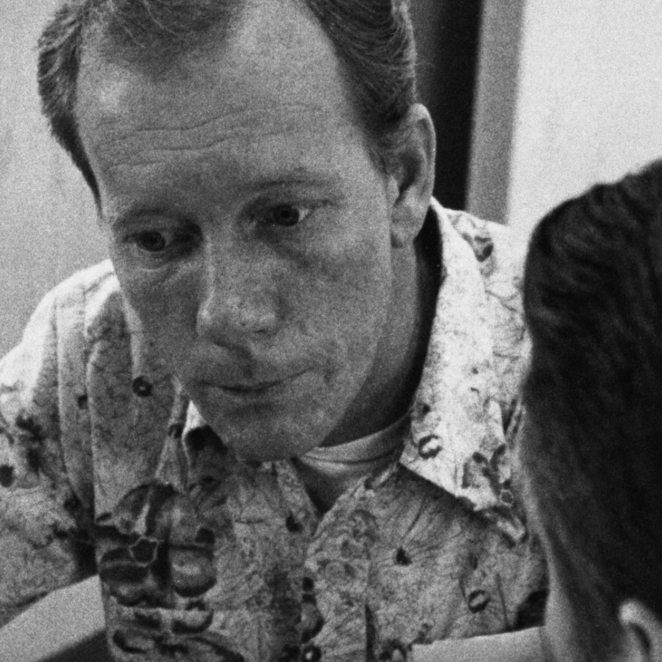
He seemed like any ordinary man, friendly, willing to help, and even offering rides to strangers along the road. But the truth was far darker. Robert Frederick Carr III became known by investigators as “Red,” a nickname inspired by his wispy red hair. Over the course of the 1970s, Carr shocked authorities by confessing to kidnapping, repeatedly assaulting more than a dozen people, and committing four murders in both Florida and Connecticut.
His crimes first came to light in 1976, when he led police on a chilling tour across state lines to show them the graves of three young victims. He also helped uncover the body of a woman in Connecticut. Carr's confessions revealed a disturbing pattern: his victims were often hitchhikers, blindsided by the man they thought they could trust.
Journalists and detectives were left stunned by his calm description of violent acts. Pulitzer Prize-winning reporter Edna Buchanan later described Carr as “about the most evil person I ever met.” His story remains a powerful reminder of how deceptive appearances can be.
Early Life
Robert Frederick CarrIII was born on December 22, 1943, in Virginia, United States. His early life was marked by serious trauma. Carr later stated that when he was just 11years old, he was forced into prostitution, a deeply damaging experience that shaped much of his later behavior. During his teenage years, Carr admitted to stealing cars, showing a growing pattern of criminal conduct. His youth was spent moving between unstable environments, and he never had a secure or healthy upbringing. He eventually moved to Connecticut, where he got married, although little is known about his wife or family life. The information about his school years or parental influence is limited, but the disturbing accounts of abuse and early crimes suggest that Carr's childhood lacked safety, support, and guidance. These early life experiences likely played a strong role in his future actions.
Murders
Tammy Ruth Huntley (age 16)
In April 1972, Tammy was waiting in Miami for her mother to pick her up. Carr offered her a ride. He kidnapped her and held her in the woods for about ten days. During that time, he repeatedly raped her. He then strangled her and buried her in a shallow grave. He later said he killed her because she seemed very sad.
Todd Payton And Mark Wilson (both Age 11)
On November 13, 1972, Carr picked up two 11-year-old boys hitchhiking in Miami. He had rigged his car so they could not open the back doors and packed it with food, oil jelly, and a shovel. He drove them across states, raped them, and over several days held them captive. He strangled Todd first and made Mark help bury Todd. A few days later, he also strangled Mark and buried him nearby.
Rhonda Holloway (age 21)
In March 1976, after being released early from prison on a prior rape conviction in Connecticut, Carr met Rhonda Holloway, a mother of two. She got into his car willingly because they knew each other. He held her for about a day, during which he raped her. He then strangled her and buried her in a rural area of Connecticut.
Arrest And Confession
On May 30, 1976, Carr was caught in Florida by a police officer while raping a hitchhiker at knifepoint. During questioning, he confessed to four murdersand admitted to molesting over a dozen children. He took detectives to the graves of Tammy, Todd, Mark, and Rhonda. Investigators dug up the bodies where he had said they were buried.
Legal Outcome And Death
Carr pleaded guilty to three countsof first-degree murder and four countsof sexual battery. He was sentenced to life in prisonwithout release. He served his sentence in a Florida prison until he died of prostate cancer on July 6, 2006, at age 62 (some reports say 63).
Trial And Imprisonment
Between May 30 and June 1976, after his arrest in Florida, Carr openly confessed to four murdersand admitted to raping more than a dozen children. He led police to the spots where he had buried his victims including Tammy Huntley, Todd Payton, Mark Wilson, and Rhonda Holloway. Investigators recovered the bodies from shallow graves in Florida, Mississippi, Louisiana, and Connecticut.
Carr chose to plead guilty. He did not go through a full trial. He pleaded guilty to first‑degree murderand sexual batterycharges in Florida. Because he did so, a judge sentenced him rather than a jury and he avoided the death penalty.
The judge gave him life in prison. One report notes that his sentence included three life terms plus 360 years, reflecting the severity of his crimes. He was held in Florida prisons, including the Union Correctional Institution and Florida State Prison in Bradford County.
Death
Robert Frederick Carr III died on July 6, 2006, at Union Correctional Institutionin Florida, while still serving his life prison sentence. He was 62 years oldand died from prostate cancer. His remains were buried in a prison cemetery, and no family stepped forward to claim them.
Latest Articles
Popular Articles