Linda Jaivin: The Bold Voice Behind Cross-Cultural Storytelling
Explore the life and work of Linda Jaivin, an acclaimed author and translator known for her fearless fiction and deep knowledge of Chinese culture. Her stories blend sharp wit with global insight.
Jul 28, 20258.5K Shares283.5K Views
Biography
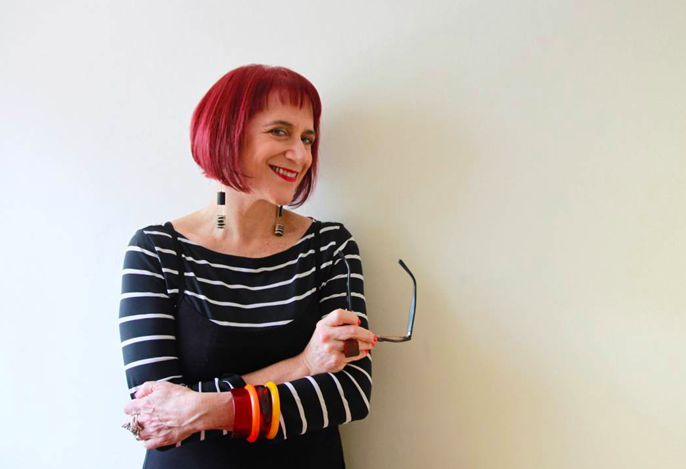
Linda Jaivinwas born on March 27, 1955 in New London, Connecticut, into a Jewish family with roots in Russia and Argentina. Her grandfathers fled Tsarist Russia during turbulent times. Linda grew up in the US but developed a strong interest in China early on. She studied Asian history and political science at Brown University, and later moved to Taiwan to deepen her knowledge of Chinese culture and language. She lived in Hong Kong from 1979 and worked first as a textbook editor for Oxford University Press. She also served as a journalist for Asiaweek magazine in Hong Kong, where she met the Australian scholar Geremie Barmé, whom she later married (they divorced in 1994). They returned to Australia in 1986, and Linda now lives in Sydney on the lands of the Gadigal people of the Eora nation.
Linda Jaivin is an internationally published author, translator, essayist, and cultural commentator, with thirteen books to her name: seven novels and six works of non‑fiction. Among her notable books are The Shortest History of China (2021), Bombard the Headquarters!: China’s Cultural Revolution (2025), The Monkey and the Dragon, A Most Immoral Woman, The Empress Lover, and Found in Translation: In Praise of a Plural World. Her writing often focuses on China, its history, language, culture, and she also explores themes like social justice, migration, sexuality, and feminism.
Linda has also worked as a literary translator from Chinese. She has subtitled acclaimed films such as Chen Kaige’s Farewell My Concubine, Zhang Yimou’s Hero, and Wong Kar Wai’s The Grandmaster, helping them reach global audiences. She co-edited New Ghosts, Old Dreams: Chinese Rebel Voices, an anthology of dissident writers from China, with Geremie Barmé. She is also a longtime editorial consultant with the Australian National University’s Australia Centre on China in the World and co-editor of the China Story Yearbook series.
Linda has been an outspoken advocate for social issues. She supports refugees and migrants and has written about her visits to detainees at Villawood Immigration Detention Centre in Sydney. Her experiences inspired parts of her novel The Infernal Optimist and related essays and plays. She has been involved with several organizations, including Amnesty International, Sydney PEN, the Australian Society of Authors, and the Australia Reads Ambassador program.
Her first novel, Eat Me (1995), became an international bestseller. Other works earned critical praise and literary awards: The Infernal Optimist was shortlisted for the New South Wales Premier’s Literary Award in 2007, The Monkey and the Dragon was noted by the Kiriyama Pacific Rim Prize, and she received the UNSW Writers Fellowship in 2004. She has also made radio documentaries for ABC’s Radio National and delivered the prestigious Morrison Lecture at ANU in 2011.
Linda continues to write, speak, translate, and teach about Chinese culture and language, literature, and pressing social justice issues. Her life’s work bridges cultures, languages, and disciplines, making complex worlds accessible to many readers.
Jump to
Latest Articles
Popular Articles