Kate Zernike: Pulitzer-Winning Journalist Behind The Women’s Equality Movement
Discover the impactful work of Kate Zernike, a Pulitzer Prize-winning reporter and author who brought national attention to women in science and social change through bold, powerful storytelling.
Jul 28, 2025586 Shares195.1K Views
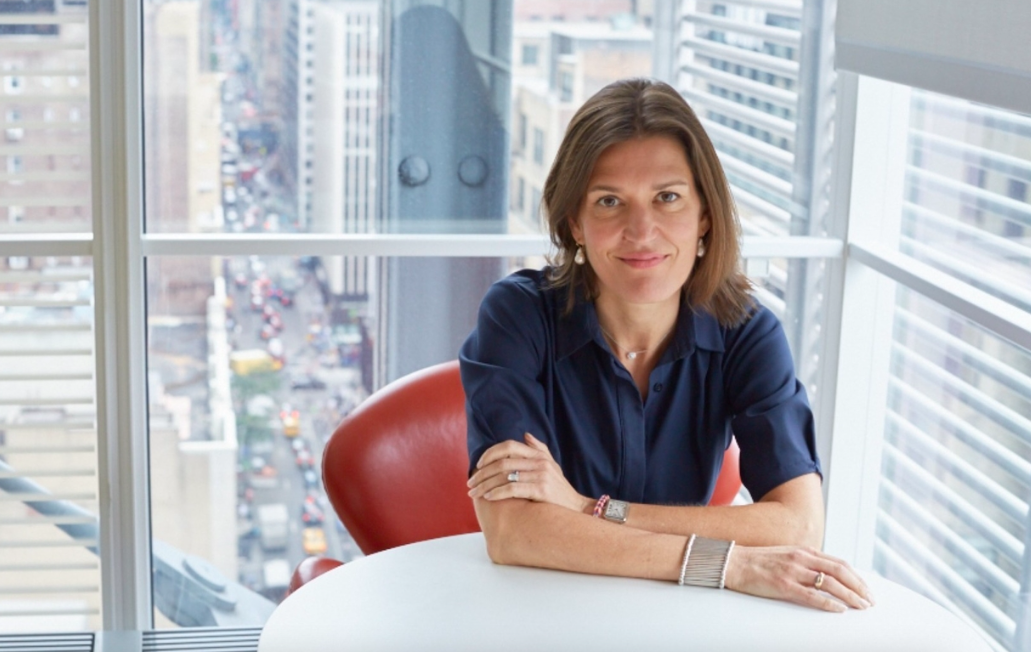
Kate Zernikehas spent over two decades doing just that, writing fresh and clear stories that bring national events into focus. She has worked as a national correspondent for The New York Times since April 2000, covering education, criminal justice, Congress, and major elections, and she even reported firsthand on Hurricane Katrina. Before joining the Times, she honed her skills at The Boston Globe, covering education and special projects from 1995 to 2000. On top of her reporting work, she authored Boiling Mad: Inside Tea Party America, a well-respected exploration of the Tea Party movement. Her lens on politics and culture has earned her a place among America’s most trusted journalists today.
Early Life And Eductaion
Kate Zernike was born on December 8, 1968, in Stamford, Connecticut. Her father, Frits Zernike Jr., was a physicist who moved from Groningen in the Netherlands to the United States in 1956. Her mother owned the St. Clair Ice Cream Company in South Norwalk, Connecticut. Kate’s grandfather, Frits Zernike, was a Dutch physicist who received the Nobel Prize in Physics in 1953. She has two brothers named Frits III and Harry Zernike.
She graduated from Trinity College at the University of Toronto in 1990 with a Bachelor of Arts degree in history and English. She then earned a master’s degree in journalism in 1992 from Columbia University’s Graduate School of Journalism.
Career
Kate Zernike began her journalism career at The Patriot Ledger in Quincy, Massachusetts, where she worked from 1992 to 1995. She then joined The Boston Globe and covered education and special projects from 1995 to 2000. During that time, she broke a key story at MIT about gender equity on the faculty, which later became the basis for her book The Exceptions.
In April 2000, she became a national correspondent for The New York Times. There, she covered major areas including education, criminal justice, Congress, national elections, and health care. She also reported on national events such as Hurricane Katrina. Kate was part of the NYT team that shared the 2002 Pulitzer Prize for explanatory reporting for coverage of global terrorism and the networks linked to the 9/11 attacks.
Her first nonfiction book, Boiling Mad: Inside Tea Party America(2010), explored the rise and influence of the Tea Party movement. The Exceptions: Sixteen Women, MIT, and the Fight for Equality in Science(2023) drew from her reporting and told the story of female scientists at MIT who fought institutional discrimination.
Kate also teaches as an adjunct professor at Columbia University’s Graduate School of Journalism, sharing her reporting experience with journalism students.
Latest Articles
Popular Articles