What Was Stephen McNally’s Net Worth When He Died?
Stephen McNally Net Worth details, income sources, and career earnings explained with verified facts from his film and TV career.
Mar 19, 20261.2K Shares111.1K Views
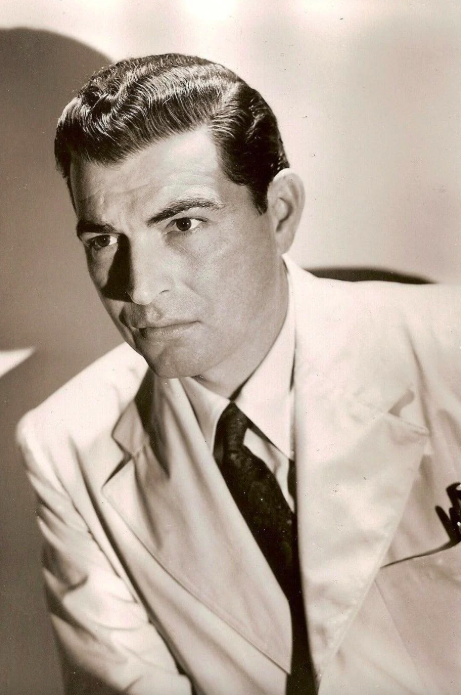
Stephen McNally was born Horace Vincent McNally on July 29, 1911, in New York City. He earned a law degree from Fordham University’s School of Law in New York.
Stephen McNally Career
Stephen McNally (born Horace Vincent McNally) was an American film and television actor whose career spanned the 1940s through the late 1970s. Originally trained as a lawyer, he switched to acting and became a reliable character performer in Hollywood’s studio era. McNally appeared in dozens of movies, especially Westerns and crime dramas, often in supporting or villainous roles. He never became a household name, but his work in landmark films helped establish him as a familiar face of classic cinema.
By the end of his career he had worked steadily as a screen actor and guest-starred on many TV shows, earning a reputation as a solid professional performer.
| Fact Category | Verified Details |
| Full Name | Born Horace Vincent McNally. |
| Date of Birth | July 29, 1911, New York City. |
| Education | Law degree from Fordham University. |
| Career Shift | Switched from law to acting. |
| Hollywood Debut | Began film career in 1942. |
| Stage Name Change | Adopted “Stephen McNally” in 1948. |
| Breakthrough Role | Gained notice in Johnny Belinda (1948). |
| Film Specialization | Known for Westerns and film noir. |
| Acting Reputation | Recognized as a strong character actor. |
| Stephen McNally Net Worth | No verified net worth publicly available. |
Breakthrough In Hollywood And Early Film Roles
After earning a law degree at Fordham University, McNally pursued acting on stage in New York. In 1942 he moved to Los Angeles and began taking film roles, initially credited as Horace McNally. His earliest screen appearances were bit parts or supporting roles in wartime and period pictures.
For example, he played a junior officer in the World War II film Thirty Seconds Over Tokyo(1944) and a supporting role in the musical The Harvey Girls(1946). These early roles typically cast him as a service member or everyday character.
Around 1948 McNally adopted the stage name Stephen McNally, marking a turning point in his career. Under this new name he landed a high-profile featured part in the drama Johnny Belinda(1948), playing the rapist Locky McCormick opposite Jane Wyman. That performance put him on the Hollywood map and led to more substantial supporting roles in major studio pictures.
Success In Western And Action Films
During the late 1940s and 1950s McNally became a regular in action-oriented and Western films. He co-starred in several film noirs and thriller dramas of the era, and he took on many roles in the wave of 1950s Westerns.
For example, he was cast as a medical resident in the noir suspense film No Way Out(1950) and as a police detective in City Across the River(1949). He is perhaps best remembered by Western fans for playing Dutch Henry Brown, an outlaw in Anthony Mann’s Winchester ‘73(1950).
Over the next decade he appeared opposite stars like James Stewart and Audie Murphy in films such as The Man from Bitter Ridge(1955) and Devil’s Canyon(1953), usually as either the local lawman or the gang leader. McNally also co-starred in jungle and war action movies like Battle Zone(1952) and thrillers such as Split Second(1953), showcasing his versatility.
In Westerns and adventure pictures alike he earned a reputation as a steady supporting actor who could carry the tension in action scenes.
Typecasting As Villains And Tough Characters
McNally’s intense presence and stern features often led producers to cast him as the villain, bully, or hard-hearted character. Once he made his mark playing a rapist in Johnny Belinda, he became a go-to actor for similar antagonistic parts.
Film historians note that he “played mostly villains” in many of his movies. In Criss Cross(1949) he was a scheming small-time mobster; in Split Secondhe was a cold-blooded killer; and in numerous Westerns he portrayed unscrupulous outlaws or rough deputies.
Even when McNally took on positive roles, traces of that menace remained. For instance, as a police detective or doctor in some dramas his character’s dour attitude still suggested underlying toughness. Directors and co-stars often remarked on McNally’s ability to convey menace with little more than a steady stare and clipped delivery, making him an effective “heavy.”
Notable Films And Career Highlights
McNally’s filmography includes several notable titles of the classic Hollywood era. In addition to Johnny Belinda(1948), he appeared with Burt Lancaster in the noir Criss Cross(1949) and played a doctor in the acclaimed drama No Way Out(1950).
He co-starred with James Cagney in the 1956 Western Tribute to a Bad Manand took a lead supporting role in the ensemble Western Requiem for a Gunfighter(1965). McNally also headlined some lower-budget pictures; for example, he was the lead in The Lady Gambles(1949) and played opposite Virginia Mayo and Dale Robertson in the Western Devil’s Canyon(1953).
Late in his career he continued film work into the 1960s and even returned to TV, co-starring in the drama series W.E.B.in 1978. Throughout his career, McNally’s roles varied from musical and war films to gritty noirs and Westerns, reflecting a wide range of genre highlights.
Acting Style And On-Screen Persona
Stephen McNally’s acting style was marked by a low-key intensity. He rarely overplayed his parts; instead, he delivered lines in a natural, unembellished manner that lent credibility to his characters.
His voice was firm and his demeanor was calm, which made his villainous roles all the more chilling because the threat came without melodrama. In roles where he was not the antagonist, McNally still portrayed a strong, authoritative figure, whether a doctor, detective, or military man.
He was known for a matter-of-fact approach to acting: for example, his villain characters never boasted or ranted, but simply carried out their dark deeds with an impassive gaze. Critics and directors noted that this controlled performance style made him a persuasive “heavy” onscreen. Even in lighter scenes, he maintained a restrained presence, which made his rare sympathetic moments stand out.
Awards, Recognition, And Career Achievements
McNally did not earn major industry awards such as Oscars or Golden Globes, but he did receive some fan and trade recognition during his career. In 1949, for example, he was named by Photoplaymagazine as a standout performer for the month in the film The Lady Gambles.
He was also voted as a promising new star in popular polls of the late 1940s. More broadly, his achievement was the longevity and consistency of his career: McNally appeared in dozens of films and scores of television episodes over four decades, a testament to his professionalism and adaptability.
In Hollywood’s studio system he became known as a reliable character actor who could be counted on to deliver solid work. Although he never held lead-man status in big films, he accumulated a long list of credits in both quality pictures and routine B-movies, and many producers valued his skill.
Stephen McNally’s Career Legacy In Classic Hollywood
Within the legacy of Classic Hollywood, Stephen McNally is remembered as a quintessential supporting actor of the studio era. His presence in a film signaled a certain level of craftsmanship, especially in Westerns, war movies, and film noir.
Film reference works and historians often mention him when discussing character actors who specialized in villains and tough guys. For example, the film encyclopedist Ephraim Katz observed that McNally’s talent “much too often was wasted on minor pictures,” meaning that despite his abilities he usually appeared in B-features and supporting parts.
Fans of film noir and Westerns continue to note McNally’s performances – the duel scene in Winchester ‘73, for instance, is frequently cited as a classic example of the genre’s intrigue. In this way, McNally’s legacy endures: he helped set the tone in many genre pictures, and his work remains part of the narrative of mid-20th-century American film.
Posthumous Recognition And Lasting Influence
After his death in 1994, McNally was the subject of obituaries in major newspapers, which highlighted his career and roles in classic films. In the years since, film enthusiasts and classic movie programs have occasionally showcased his work.
His performances are regularly available on classic movie channels and home video, allowing new audiences to discover his films. Although he never achieved star status, Stephen McNally is cited today as a memorable example of the “good bad guy” in Hollywood’s golden age.
Western and noir retrospectives often include his name among notable supporting actors of the era. Ultimately, his lasting influence lies in the strong, villainous characters he portrayed and the undeniable professionalism he brought to each role – qualities that ensure he is still discussed by classic film buffs and historians as part of the fabric of midcentury American cinema.
Stephen McNally Net Worth
At the time of his death, Stephen McNally's net worth is not publicly disclosed, and no figure has been officially verified by major financial authorities. He earned income through his acting career, including roles in Western and action films and television series; specific earnings from these roles have not been publicly disclosed.
FAQs
Who Was Stephen McNally?
Stephen McNally was an American film and television actor active from the 1940s to the late 1970s. He is best known for his supporting roles in Westerns, film noir, and action films.
What Was Stephen McNally’s Real Name?
His birth name was Horace Vincent McNally. He adopted the stage name Stephen McNally around 1948.
When And Where Was Stephen McNally Born?
He was born on July 29, 1911, in New York City, United States. He later pursued both legal studies and acting there.
What Did Stephen McNally Study Before Acting?
McNally earned a law degree from Fordham University School of Law. He initially trained as a lawyer before transitioning into acting.
What Is Stephen McNally Best Known For?
He is best remembered for playing tough or villainous roles in classic Hollywood films. One of his most notable performances was in Winchester ’73(1950).
What Types Of Roles Did Stephen McNally Usually Play?
He was frequently cast as villains, outlaws, or authority figures such as detectives and military officers. His calm and intense acting style suited these roles.
Latest Articles
Popular Articles