Richie Hawtin Net Worth: Career, Labels, And Income
Richie Hawtin Net Worth explained with 2026 insights, including his earnings from DJ tours, Plus 8 and M-nus labels, Beatport co-founding, and music technology ventures.
Mar 14, 202620.2K Shares269.4K Views
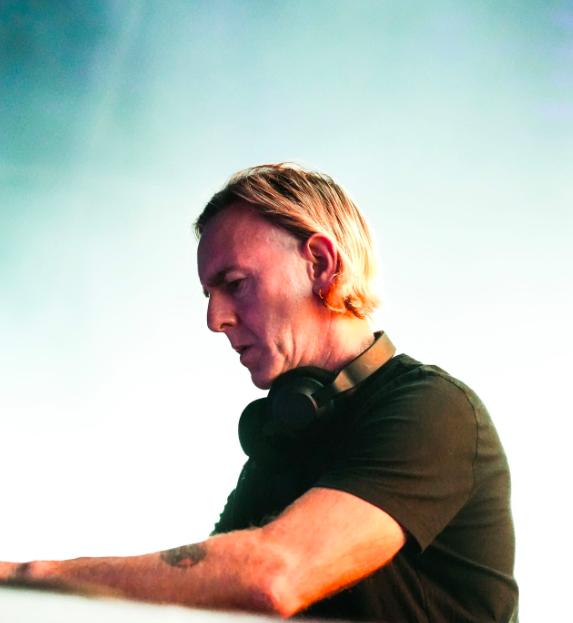
Richard Michael “Richie” Hawtin was born on June 4, 1970 in Banbury, Oxfordshire, England. He grew up in a household enthusiastic about technology: his father worked as a robotics technician and often built computers and tinkered with electronic equipment. From an early age Hawtin was exposed to experimental music his father frequently played 1970s and 1980s electronic and rock records at home (artists like Kraftwerk, Pink Floyd and Brian Eno).
In 1979, when Richie was nine years old, his family emigrated to Canada and settled in LaSalle, Ontario (a suburb of Windsor). His father took a job with General Motors in nearby Windsor. Hawtin grew up alongside a younger brother, Matthew. He attended Sandwich Secondary School in LaSalle. During his childhood and teen years, he became fascinated by the new electronic sounds coming from Detroit he often listened to late-night radio broadcasts from across the border, which introduced him to emerging techno and electronic music.
Throughout his youth Hawtin was influenced by the fusion of technology and music in his home life. As he later recalled, “my dad was a tinkerer… he was building computers… [and] there was a lot of music in my household”. This upbringing in a technology-rich, music-oriented environment shaped his interests during childhood.
| Key Fact | Details |
| Richie Hawtin Net Worth | Not publicly disclosed (2026) |
| Full Name | Richard Michael “Richie” Hawtin. |
| Date of Birth | June 4, 1970. |
| Birthplace | Banbury, Oxfordshire, England. |
| Nationality | British-born, raised in Canada. |
| Main Genres | Techno, minimal techno. |
| Famous Alias | Plastikman. |
| Record Labels | Co-founder of Plus 8; founder of M-nus. |
| Key Business Venture | Co-founder of Beatport music platform. |
| Major Innovation | Co-developer of Final Scratch digital DJ system. |
Richie Hawtin Career
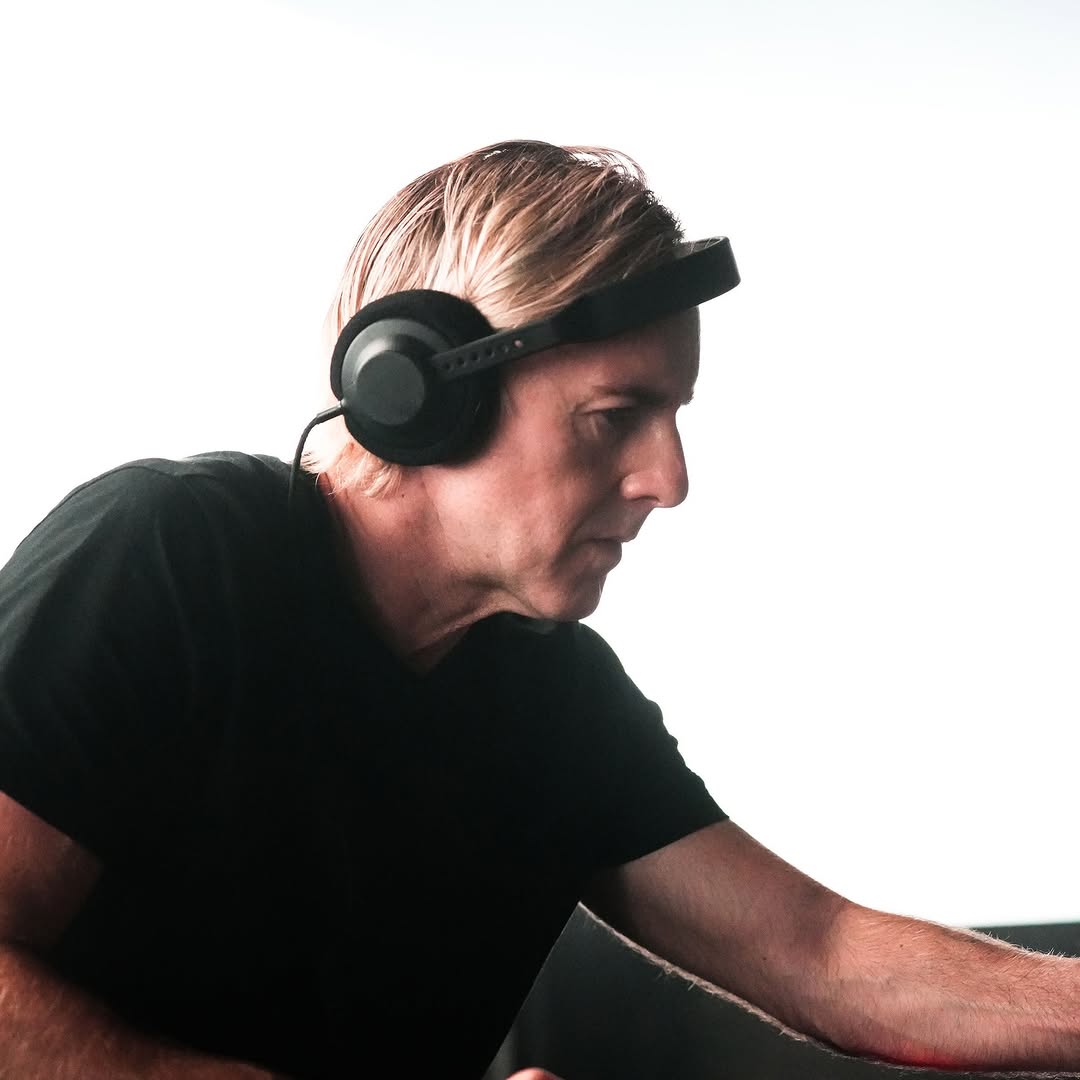
Richie Hawtin is a British-born Canadian DJ and electronic music producer known as a pivotal figure in techno and minimal techno.
He first gained recognition by pioneering a highly stripped-down, “minimal” techno sound that became closely associated with Detroit’s electronic music scene.
Critics and peers regard him as an innovator: The New York Times called Hawtin “one of the electronic dance world’s intellectual forces,” and fashion designer Raf Simons dubbed him “the Kraftwerk of today”.
Over his career Hawtin has founded influential labels (such as Plus 8 and Minus), released music under various aliases (notably Plastikman and F.U.S.E.), and helped shape the global techno movement through both art and technology.
Early Career And The Rise In Detroit Techno
Hawtin began DJing in the late 1980s in Windsor, Ontario, just across the river from Detroit. Immersed in Detroit’s emerging techno community, he met early innovators like Derrick May, Kevin Saunderson and Juan Atkins.
In 1989-1990 he co-founded Plus 8 Records with John Acquaviva, a label that issued his first tracks and helped bring the Detroit techno sound to international clubs. Plus 8 became known for its hard-edged Detroit-style techno, and Hawtin used it (and later his Minus label) to release music under names like F.U.S.E. and Plastikman.
By the early 1990s Hawtin had established himself in the second wave of Detroit techno and was expanding into Europe as a DJ, laying the groundwork for his later influence on minimalist styles.
Plastikman Project And Influence On Minimal Techno
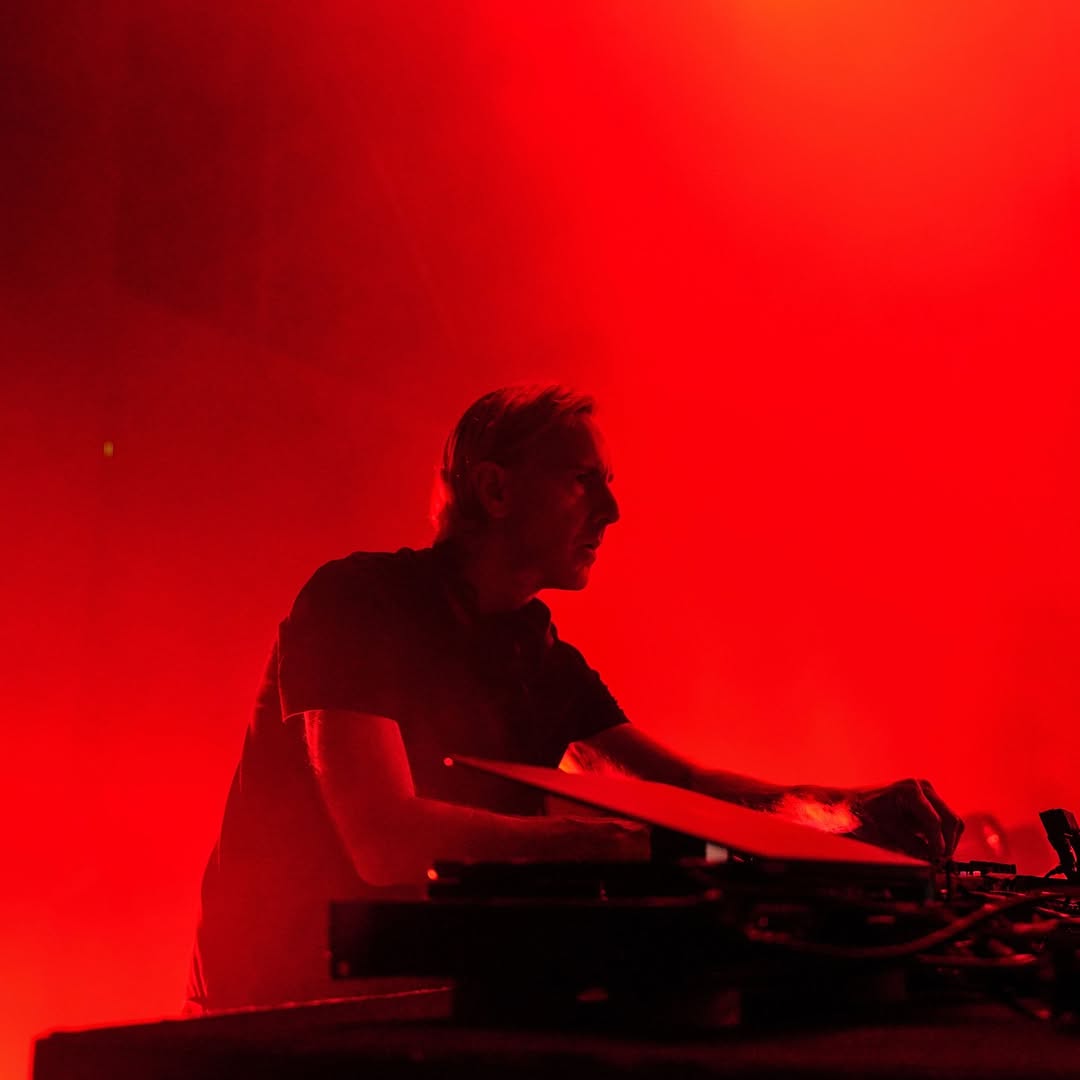
In 1993 Hawtin introduced his Plastikman alias with the seminal acid-minimal single “Spastik” and the album Sheet One. As Plastikman he crafted a stark, skeletal techno style that became highly influential.
Over the 1990s he released several acclaimed Plastikman albums – including Musik(1994), Consumed(1998) and Closer(2003) – each pushing the boundaries of sound design and minimalism.
Critics note that Plastikman’s work evolved into more melodic and introspective territory over time. In total Hawtin has released six Plastikman studio albums, maintaining an “underground agenda of avant-garde electronica” throughout the series.
His Plastikman project in particular set a template for minimal techno music and production aesthetics in the 1990s, influencing countless artists worldwide.
Major Albums, Performances, And Career Highlights
Beyond Plastikman, Hawtin’s discography includes landmark DJ mix and production albums. In 1999 he collaborated with John Acquaviva on Decks, EFX & 909, a live DJ mix album that became a cult classic.
He followed this with the pioneering studio remix album DE9: Closer to the Edit(2001), in which he chopped and looped classic techno tracks using digital editing.
In 2015 he released From My Mind To Yours, a double album of new material under all his known aliases, to mark 25 years of Plus 8 Records. Hawtin’s career is also marked by notable live shows and collaborations.
In 2013 he performed a concept show at New York’s Solomon R. Guggenheim Museum at the invitation of Raf Simons; this set formed the basis of the Plastikman album EX(2014), his first full Plastikman album in over a decade.
In 2011 he worked with artist Anish Kapoor to transform Paris’s Grand Palais into a massive audio-visual installation, and in 2006 he helped create the soundtrack and choreography for a dance piece at the Winter Olympics Opening Ceremony in Turin.
Throughout his 30-year career, Hawtin has DJed at virtually every major techno and club event worldwide and has often been on the bill at leading international festivals, from Ibiza residencies to major European and North American stages.
Innovations In Electronic Music And DJ Technology
A hallmark of Hawtin’s career is relentless experimentation with music technology. In 1999 he and John Acquaviva partnered with tech firm Stanton N2IT to develop Final Scratch, one of the first systems allowing digital audio files to be controlled via traditional vinyl turntables.
Around 2001 he was an early adopter of Ableton Live for live performance, integrating loop-based production into his sets (a technique showcased on DE9: Closer to the Edit).
That same year he and engineer Andy Rigby-Jones of Allen & Heath modified a popular DJ mixer (the Xone:62) to create one of the first audio/MIDI hybrid DJ consoles.
Hawtin has also co-founded technology ventures. He co-founded Beatport in 2004 (with John Acquaviva) now a leading online dance music store and later launched Liine BV, a Berlin-based company that developed music apps such as Lemur and Smudge for live performances.
In 2016 he partnered with Rigby-Jones and Allen & Heath (Audiotonix) to launch PLAYdifferently, a brand under which he introduced the flagship MODEL 1 DJ mixer. Throughout, Hawtin has emphasized that technology should serve creativity, famously saying the “real art form is what happens between man and machine”.
Awards, Achievements, And Career Milestones
Hawtin’s career has been recognized with several honors. He was named “Outstanding Contributor” at the AIM Independent Music Awards in 2014, and in 2015 he received an Honorary Doctorate from the University of Huddersfield for his contributions to music and technology.
DJ Mag notes that he is a “three-time DJ Awards winner” (Spain’s International DJ Awards) and one of the most influential figures in the electronic music scene. On the business side, co-founding Beatport in 2004 proved highly influential, fundamentally changing digital distribution of dance music.
He also founded and ran the Minus record label (focused on minimal techno) and co-founded the software company Liine, both of which have had lasting impacts on the industry.
In 2015 he celebrated Plus 8’s 25th anniversary by producing the From My Mind To Yoursalbum featuring his various production aliases – a project he described as “new dancefloor material”.
Current Work, Performances, And Music Activities
As of the mid-2020s, Hawtin remains very active in electronic music He continues to operate his Plus 8 and Minus labels and to curate events under his ENTER. brand (notably his long-running Ibiza residency from 2012-2015). In 2020 he launched a new imprint called “From Our Minds,” releasing an EP called Time Warpswhich was his first dancefloor-focused record in over twenty years.
He frequently headlines club nights and festivals around the world, and in recent years he has taken the From Our Mindsconcept on tour. For example, he headlined From Our Minds showcases in cities like Amsterdam and London in late 2022.
Hawtin also continues to develop new music technology (through Playdifferently) and to experiment with the concert format, blending live hardware improvisation with audiovisual production.
Richie Hawtin’s Legacy In Electronic And Techno Music
Richie Hawtin is widely acknowledged as a visionary whose influence spans multiple generations of DJs and producers. Industry sources often cite his role in defining techno’s modern trajectory and minimalism. As one profile notes, “Hawtin is one of the most influential DJs in the world”. His peers credit him with being a leader and pioneer of the genre.
His cross-disciplinary project from art installations to educational lecture tours have underscored a career that bridges music, art and technology.
In summary, Hawtin’s impact comes from both his artistic output and his role in shaping the infrastructure of electronic music (labels, technology platforms, event concepts). Through his continued creativity and innovation, he has left a lasting legacy in electronic music culture.
Richie Hawtin Net Worth
As of 2026, Richie Hawtin’s net worth has not been publicly disclosed, and no verified figure has been confirmed by major financial authorities. His income comes primarily from live DJ performances and international tours, as well as music sales through the record labels he co-founded, Plus 8 and M-nus.
Hawtin also co-founded the online music platform Beatport and launched PLAYdifferently, the company behind the MODEL 1 DJ mixer, both of which contribute to his overall earnings. However, the exact revenue generated from these ventures has not been publicly reported.
FAQs
1. Who Is Richie Hawtin?
Richie Hawtin is a British-born Canadian DJ, electronic music producer, and technology innovator. He is widely known for his influence on techno and minimal techno music.
2. When Was Richie Hawtin Born?
Richie Hawtin was born on June 4, 1970, in Banbury, Oxfordshire, England. He later moved to Canada with his family during childhood.
3. What Is Richie Hawtin Known For In Electronic Music?
Hawtin is known for pioneering minimal techno and for his experimental approach to DJ performances. His work as Plastikman and his record labels helped shape the global techno scene.
4. What Is Richie Hawtin’s Plastikman Project?
Plastikman is one of Hawtin’s most recognized music aliases. Under this name, he released influential minimal techno albums that explored stripped-down and experimental electronic sounds.
5. What Record Labels Did Richie Hawtin Create?
Richie Hawtin co-founded Plus 8 Records with John Acquaviva in the late 1980s. He later founded the M-nus label, which became associated with minimal techno artists.
Latest Articles
Popular Articles