Marc Andrus Net Worth 2026: Salary, Role & Impact
Marc Andrus Net Worth overview with a focus on his bishop salary, career milestones, and how his work shaped his financial standing.
Apr 04, 20261.4K Shares122.6K Views
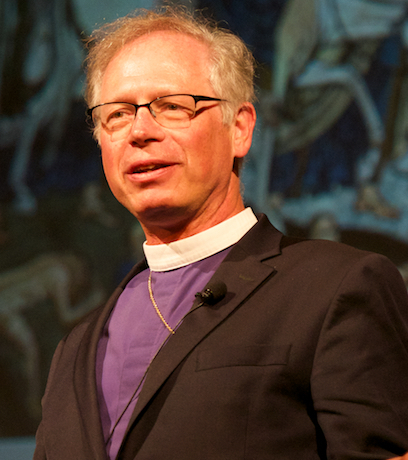
Marc Handley Andrus is an American Episcopal bishop who served as the eighth Bishop of the Episcopal Diocese of California from 2006 until his retirement in 2024. Prior to his California election, he was elected on May 6, 2006, to succeed Bishop William Swing. He had been Bishop Suffragan of the Diocese of Alabama since 2002 and was actively involved in social justice programs there.
Andrus holds a B.S. in plant science (University of Tennessee) and a master’s degree in regional planning (Virginia Tech), and earned a Master of Divinity from Virginia Theological Seminary before his ordination in 1988.
Early in his ministry, he served as a parish priest and chaplain in Pennsylvania and Virginia, including a curacy at Church of the Redeemer (Bryn Mawr, PA), chaplain at Episcopal High School (Alexandria, VA), and rector of Emmanuel Church (Middleburg, VA), before being consecrated a bishop in 2002.
Throughout his career he became known for integrating faith and activism, focusing on “peace and justice, including immigration reform, civil rights for LGBTQ+ persons, health care, and climate change.”
| Category | Details |
| Full Name | Marc Handley Andrusv |
| Birth Date | August 16, 1965 |
| Birthplace | Texas, United States |
| Profession | Episcopal bishop and faith-based leader |
| Net Worth (2026) | Not publicly disclosed; no verified financial records available |
| Income Source | Church leadership salary, institutional roles, and speaking engagements |
| Top Role | Bishop of California (2006–2024) |
| Education | B.S., Master’s, M.Div., and Ph.D. in religion-related fields |
| Key Focus Areas | Climate action, social justice, LGBTQ+ inclusion |
| Active Years | 1988–2024 |
| Current Status | Retired; serving as Bishop Emeritus with restricted ministry |
Religious Leadership And Role As Bishop Of California
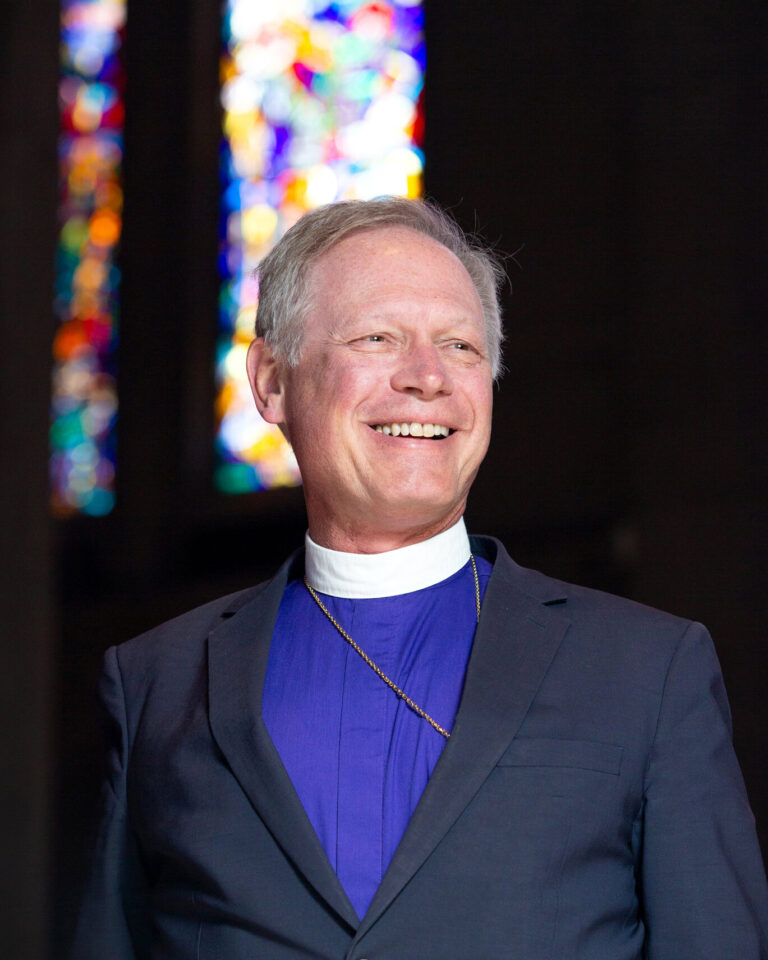
In his role as Bishop of California, Andrus provided oversight for the Bay Area diocese, which encompassed about 80 congregations and 24,000 communicants across San Francisco, Contra Costa, Marin, Alameda, and San Mateo counties.
He was installed in 2006 (at Grace Cathedral, San Francisco) and served until July 2024, when he retired and was succeeded by Rt. Rev. Austin Rios. As diocesan bishop he guided the church’s work on major social issues: for example, he co-chaired a community coalition to rebuild St. Luke’s Hospital in San Francisco, a key initiative linking healthcare and the church’s outreach.
His leadership emphasized diocesan programs in areas like immigration assistance and housing. He also appointed new mission initiatives, such as establishing the first “Farm Church” program on unused diocesan land to promote agriculture and affordable housing (Blue Bird Village). In these capacities Andrus worked closely with clergy and lay leaders, directing worship, pastoral care, and diocesan development projects.
Key Initiatives, Social Work, And Public Engagement
Andrus was highly active in social and environmental causes. He was a vocal peace advocate: in 2006, only weeks after becoming bishop, he took part in an anti-Iraq War protest in San Francisco, even laying down in the street with other demonstrators.
He was arrested for blocking the federal building’s doors, an act he described as “one piece of a sustained effort” to work for peace. Defending the civil disobedience, he said that international law and the “unjust nature” of the war made such protest necessary.
Andrus also championed LGBT civil rights from his pulpit and the media. After California voters passed a ban on same-sex marriage (Proposition 8 in 2008), he publicly affirmed that he “felt very strongly that the trajectory toward the recognition of the full civil rights for LGBT people, including marriage equality, is plain.”
He encouraged clergy and congregations to make their support known, insisting that religious voices “see how important it is to make our voices heard” on equality issues. Environmental stewardship was another signature focus. Andrus led the Episcopal Church’s engagement in climate action, heading the denomination’s delegation to international climate summits (COP conferences).
For example, in 2018 he served as head of the U.S. Episcopal delegation at COP24 in Poland. There he appealed for global faith cooperation, noting that he had seen “the great religions of the world… come together to seek the healing of the planet.”
He also helped bring climate awareness into diocesan programs. In 2022 he initiated the Blue Bird Village project, which used diocesan land to create mixed-income housing paired with an organic farm run by the church’s new “Farm Church” mission.
He explained that community farming was increasingly important: “we’ve learned that the lure of… high-intensity agriculture… was an illusion,” and even a single acre can yield “thousands of pounds of organic food” to help the hungry.
These initiatives combined affordable housing, food justice and spiritual practice, reflecting his vision that providing healthy food and homes is a “really holy, sacred… call.”
Major Contributions To The Episcopal Church
Beyond his own diocese, Bishop Andrus served the wider church in numerous leadership roles. In Alabama he had chaired the diocese’s Task Force for the Stewardship of Creation and created the Jonathan Daniels Pilgrimage for Peace, honoring civil rights martyrs.
He was active on national church committees, for example, he sat on the Executive Council’s Committee on the Status of Women and on steering committees for Bishops Working for a Just Society and Episcopalians for Global Reconciliation. These groups focus on poverty issues and interfaith dialogue.
As Bishop of California he continued this church-wide work. He became a member of the We Are Still In Leaders’ Circle, a coalition of faith leaders advocating for U.S. climate action, and he served on boards of Episcopal institutions such as the Church Divinity School of the Pacific, the Episcopal Impact Fund (a Bay Area poverty alleviation non-profit), the Episcopal School for Deacons, and Episcopal Community Services.
At General Convention he won broad support for climate and justice resolutions. For example, in 2018 he and other bishops helped lead the church in reaffirming the Paris climate goals.
His contribution has been noted in church media; Anglican News highlighted that he has been “one of the Episcopal Church’s most prominent voices on… climate change,” and that he led his San Francisco-based diocese for 18 years.
Marc Andrus’s Views, Influence, And Leadership Style
Bishop Andrus has been widely recognized as a progressive and outspoken leader. The San Francisco Chronicle described him as “one of the Bay Area’s most prominent religious figures,” noting that his advocacy for LGBTQ+ inclusion and other liberal causes has drawn attention both within and outside the church.
He frequently connects faith with social action. For instance, speaking on climate issues he quoted Archbishop Rowan Williams: “It takes a global body to deal with global problems,” reflecting his belief in collective religious action for the environment.
In public comments he often frames issues as moral imperatives; after Prop 8 he stated confidently that marriage equality was an inevitable civil right, and in antiwar protests he grounded dissent in Christian witness.
His leadership style is hands-on and pastoral: he has carried his bishop’s staff during marches, celebrated eucharists at protests, and engaged directly with community members.
As he once put it about peace work, the demonstration “was not a capricious act… [but] my conviction that… elected leaders need to know that we continue to want concerted and active moves towards peace.”
His approach blends pastoral care with activism, inspiring supporters and sometimes drawing criticism from conservatives, but it has consistently aimed to align Episcopal practice with social justice.
Achievements, Recognition, And Career Milestones
Andrus’s ecclesiastical career features several notable milestones. He was ordained a priest in 1988 and became a bishop in 2002, serving first as Suffragan Bishop of Alabama.
His 2006 election as Bishop of California (on the third ballot) was hailed for bringing a climate-conscious, justice-oriented leader to the Bay Area. In his diocese he marked achievements such as the reopening of services at St. Luke’s Hospital and the launch of the innovative farm-housing project Blue Bird Village.
He earned a Ph.D. in 2020 (in philosophy and religion), reflecting his commitment to scholarship on faith and creation. He has been invited as a keynote and speaker at interfaith and justice conferences; for example, he spoke at Stanford’s Gandhi-King Global Initiative conference on civil rights and climate in 2019.
His writings and speeches on eco-theology have appeared in church publications and he has been featured in religious media. By the time of his retirement he had devoted 18 years to leading the California diocese and was acknowledged across the Episcopal Church as a mentor to clergy and lay leaders in areas of peace, inclusivity, and environmental stewardship.
Current Work, Activities, And Public Role
In his final years as bishop (2021–2024), Andrus continued to emphasize climate action and social ministries. He oversaw the development of the Diocese’s Farm Church and housing initiatives during this period.
In May 2024 the diocese elected Bishop Coadjutor Austin Rios to succeed him; Rios was consecrated in May and became diocesan bishop on August 1, 2024, following Andrus’s retirement.
Soon after retirement, however, The Episcopal Church announced that Andrus’s ordained ministry had been officially restricted due to a credible allegation of an inappropriate relationship.
In June 2025 Presiding Bishop Sean Rowe announced a disciplinary accord in which Andrus would remain suspended until he completed counseling and demonstrated an “amendment of life.”
As of 2026 Andrus holds the title Bishop Emeritus of California but has no active diocesan role pending that process. His public activities since retirement have been limited to official communications through church channels; the diocesan leadership has stated he will have no contact with congregations while the investigation is ongoing. Despite the current suspension, his long-term legacy remains the transformative projects and social programs he initiated across the California diocese and beyond.
Marc Andrus Net Worth
As of 2026, Marc Andrus’s net worth has not been publicly disclosed, and no verified figures are available from reliable financial sources. His income is primarily associated with his work in church leadership and religious service. Specific details about his earnings have not been made public.
FAQs
Who Is Marc Andrus?
Marc Andrus is an American Episcopal bishop who served as the eighth Bishop of the Episcopal Diocese of California from 2006 to 2024. He is known for his leadership in social justice and environmental advocacy within the church.
What Is Marc Andrus Known For?
He is widely recognized for promoting climate action, LGBTQ+ inclusion, and peace initiatives. His work often connects religious leadership with public advocacy on social issues.
What Roles Did Marc Andrus Hold Before Becoming Bishop Of California?
Before his election in California, he served as Bishop Suffragan of the Diocese of Alabama starting in 2002. Earlier, he worked as a parish priest, chaplain, and rector in Pennsylvania and Virginia.
What Is The Episcopal Diocese Of California?
It is a regional division of the Episcopal Church covering parts of the San Francisco Bay Area. The diocese includes dozens of congregations and focuses on worship, community service, and outreach programs.
What Are Some Of Marc Andrus’s Key Initiatives?
He supported projects related to affordable housing, healthcare access, and environmental sustainability. One notable initiative is the Blue Bird Village, which combines housing with community farming.
Latest Articles
Popular Articles