What Was Lena Horne’s Net Worth At The Time Of Her Death?
Lena Horne Net Worth explained with verified details, income sources, and how her long career in music, film, and Broadway shaped her finances.
Apr 30, 2026728 Shares72.8K Views
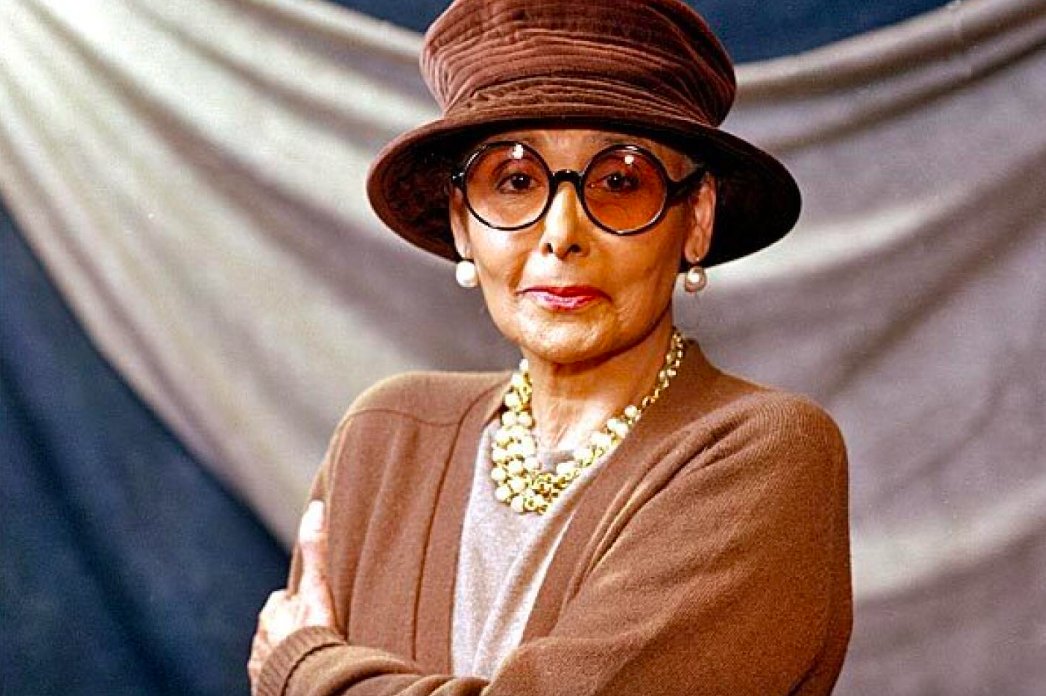
Lena Mary Calhoun Horne was born on June 30, 1917, in the Bedford-Stuyvesant neighborhood of Brooklyn, New York. Her parents were Edwin Fletcher “Teddy” Horne Jr. and Edna Louise (Scottron) Horne. Both families were part of New York’s African-American middle class. Through her paternal grandparents, Edwin F. Horne Sr. and Cora Calhoun Horne, Lena grew up surrounded by early civil rights influences. Cora Horne was an active member of the NAACP and a women’s suffrage advocate. In fact, a 1919 NAACP bulletin features two-year-old Lena on its cover as the organization’s youngest member.
Her parents separated when Lena was very young, and after that she was largely raised by her grandmother and other relatives. In 1920 her mother took her briefly to Philadelphia, but by age 5 Lena had returned to live with her paternal grandmother in Brooklyn. Between about ages 6 and 11 she moved around with relatives in the South and Midwest, often staying with family friends, before finally returning to Brooklyn in 1929 to live with her grandparents. Her grandmother Cora is described as a “steely” woman who insisted Lena have a proper education and manner, teaching her dignity and precise speech from a young age.
Lena Horne grew up in Brooklyn’s Bedford-Stuyvesant district. She attended Public School 35 and then Girls High School in Brooklyn. While a student she also took dance lessons in Harlem. She left formal schooling during her mid-teens to help support her family during the Great Depression.
| Fact | Details |
| Full Name | Lena Mary Calhoun Horne |
| Birth Date | June 30, 1917 |
| Birthplace | Brooklyn, New York |
| Death Date | May 9, 2010 |
| Lena Horne Net Worth | Not publicly confirmed |
| Income Sources | Film, music, stage, royalties |
| Career Length | 60+ years |
| Top Awards | Grammy, Tony, Kennedy Honors |
| Key Milestone | First Black MGM contract star |
| Civil Rights Role | Activist, March on Washington |
Early Career Moves In Music And Entertainment
Lena Horne began her career as a teenager in New York City. In 1933 she was hired as a chorus girl at Harlem’s famous Cotton Club, where she soon graduated to featured singer alongside stars like Duke Ellington and Cab Calloway. By the mid-1930s she was recording songs with Noble Sissle’s Society Orchestra under the stage name “Helena Horne.” During this period she also made her Broadway debut: in 1934 she appeared in the all-Black revue Dance with Your Gods, and in 1939 she starred in Lew Leslie’s musical revue Blackbirds of 1939.
In 1940 she joined bandleader Charlie Barnet’s swing orchestra, one of the first integrated big bands, becoming its only African-American member. Throughout the late 1930s and early 1940s, Horne honed her craft on the nightclub circuit, notably at New York’s Café Society, the city’s first interracial club, and in vaudeville-style revues, establishing herself as a versatile singer and performer in music and live entertainment.
Lena Horne’s Breakthrough In Hollywood And Film
Horne’s film breakthrough came in 1938 when she co-starred in The Duke Is Tops, one of the few all-Black movie musicals of that era. In 1942 she made history by signing a seven-year contract with Metro-Goldwyn-Mayer (MGM), becoming the first African-American actor to hold a long-term studio contract. Under her MGM deal she insisted on avoiding the stereotypical maid roles common for Black actresses at the time.
During the 1940s Horne appeared in several Hollywood musicals, often featured in a standout singing number. She sang “Some of These Days” and “That’s What You’re Here For” in Thousands Cheer(1943), portrayed a gospel singer in Fox’s Cabin in the Sky(1943), and famously gave the title performance of “Stormy Weather” in the Fox film Stormy Weather(1943). She also had roles and popular songs in MGM releases such as Ziegfeld Follies(1946) and Till the Clouds Roll By(1946), as well as a brief appearance in Panama Hattie(1942).
Later in her career, Horne returned to film in sporadic roles, including a co-starring turn in the 1969 Western Death of a Gunfighter. In each case her Hollywood performances, though often limited to one musical sequence, introduced her to wider audiences and cemented her status as a screen entertainer.
Her Career Across Music, Film, And Stage Performances
Lena Horne sustained a multi-faceted performing career for more than six decades. She recorded prolifically from the 1930s through the 1980s, with hits that ranged from swing-era standards to jazz and Broadway tunes. Her albums sold consistently, earning her three Grammy Awards, including a Lifetime Achievement Award in 1989, and multiple nominations for Best Vocal Performance.
In nightclubs and concert halls around the world she headlined long-running residencies, including annual New Year’s Eve shows at the Sands Hotel in Las Vegas during the 1950s, and multi-week engagements at the Waldorf Astoria in New York. Horne’s major stage credits included leading roles in Broadway musicals. In 1957 she starred opposite Claudette Colbert in the Broadway show Jamaica, earning a Tony nomination for Best Actress, and in 1981 she premiered Lena Horne: The Lady and Her Music, a one-woman concert that won a special Tony Award and ran for over 300 performances.
She also performed in concert tours in Europe and North America, brought her cabaret act to television variety shows, including the filmed special Lena Horne: The Lady and Her Music, and made guest appearances on television series and specials into the 1970s and 1980s. Across music recordings, films, and live theater, Horne maintained her reputation as a consummate entertainer, constantly adding new roles and performances to her repertoire well into her later years.
Challenges And Racial Barriers In Her Career
As an African-American performer in mid-20th century America, Lena Horne faced significant racial obstacles throughout her career. At the Cotton Club, she was allowed to perform but Black patrons were not permitted. In the Charlie Barnet band she often had to use separate facilities and endure segregation despite sharing the stage with white musicians.
When her MGM films were shown in the segregated South, studio editors frequently cut her musical numbers entirely, effectively removing her from the versions seen by Southern audiences. During the 1940s and 1950s, her outspoken support for civil rights, including participation in liberal causes, led to her being blacklisted in Hollywood. She lost recording and film opportunities and encountered fewer professional openings in the United States.
Horne responded by performing overseas and in integrated venues, but these barriers slowed the pace of her career advancement. Throughout her professional life she remained firm in rejecting demeaning roles, stating that she would never portray a maid. These barriers shaped her career path, but Horne persisted in breaking through whenever opportunities emerged.
Lena Horne’s Role In Civil Rights And Career Impact
Beyond her achievements in entertainment, Horne connected her professional platform with the Civil Rights movement. Beginning in the 1950s she participated in civil rights fundraisers and public events, and she refused to perform for segregated audiences or accept discriminatory conditions at venues. In 1963 she sang at the March on Washington alongside other artists, contributing her visibility and voice to the movement for racial equality.
Her public profile drew wider attention to anti-lynching efforts and desegregation campaigns. Horne also addressed racial identity through published essays and interviews about the experiences of Black entertainers in the entertainment industry. She incorporated socially conscious material into her performances, including songs such as “Now!” and “Silent Spring” during the early 1960s.
Although her activism created professional challenges within parts of the entertainment industry, it also expanded her influence far beyond music and film. In later years organizations such as the NAACP formally recognized her contributions, including awarding her the Spingarn Medal in 1983. Horne demonstrated that artistic achievement and social advocacy could coexist within a major entertainment career.
Major Career Milestones And Achievements
Lena Horne’s professional career included numerous historic milestones and industry honors. She won three Grammy Awards, including the Grammy Lifetime Achievement Award in 1989, and received multiple nominations for vocal and jazz performances. In theater, she earned a special Tony Award in 1981 for Lena Horne: The Lady and Her Musicand received a Tony nomination for Best Actress in a Musical for Jamaica. She also won the 1981 Drama Desk Award for Outstanding Actress in a Musical.
In 1984 the John F. Kennedy Center for the Performing Arts selected Horne as a Kennedy Center Honoree for her lifetime contributions to American culture. The National Association for the Advancement of Colored People awarded her the Spingarn Medal in 1983 for distinguished achievement. In 2009 President Barack Obama posthumously awarded her the Presidential Medal of Freedom, the highest civilian honor in the United States.
Horne also received a star on the Hollywood Walk of Fame in 1960. In 2022 the Fulton Theatre in New York City was renamed the Lena Horne Theatre, becoming the first Broadway theater named after a Black woman. These achievements reflected the breadth of her influence across music, film, television, and stage performance.
Lena Horne’s Influence On Entertainment And Culture
Lena Horne helped transform opportunities for Black performers in mainstream entertainment. By insisting on dignified professional roles and refusing to participate in segregated environments, she challenged long-standing industry practices. Her success in film musicals and live performance demonstrated that African-American entertainers could achieve widespread popularity without relying on stereotypical portrayals.
Horne’s vocal style influenced later generations of jazz, pop, and cabaret singers, and her rendition of “Stormy Weather” became one of the defining performances associated with the American songbook tradition. Artists including Diana Ross, Diahann Carroll, and Sammy Davis Jr. publicly acknowledged her importance as a trailblazer. Her work also contributed to broader acceptance of integrated casting and expanded opportunities for Black performers in major theatrical and film productions.
Horne combined elegance, professionalism, and activism in a way that reshaped public expectations of celebrity influence. Her continued visibility in concerts, television appearances, and Broadway productions reinforced her position as one of the most respected entertainers of her era.
Legacy, Honors, And Lasting Impact Of Her Career
Lena Horne’s career continues to hold an important place in American entertainment history. Archives, museums, and cultural institutions preserve recordings, film performances, interviews, and stage materials connected to her work. Following her death in 2010, Broadway theaters dimmed their marquees in tribute to her contributions to stage and screen entertainment.
Legislative resolutions and public commemorations recognized her as one of the defining performers of the mid-20th century. Her recordings continue to receive recognition through Grammy Hall of Fame honors and retrospective celebrations of classic American music. Theater productions and concert tributes regularly revisit her repertoire, introducing new audiences to her artistic legacy.
Within the entertainment industry she remains widely respected for combining professional excellence with a commitment to civil rights and equal representation. Lena Horne’s influence continues through the opportunities she helped create for future generations of performers, making her one of the most significant figures in the history of American music, film, and theater.
Lena Horne Net Worth
At the time of Lena Horne’s death, her net worth was not publicly disclosed, and no figure has been officially verified by major financial authorities. She earned income through her decades-long career in entertainment, including salaries and royalties from film, television, stage performances, and music recordings, although the exact amounts from these sources were not made public. Her name and likeness were also licensed for products such as a cosmetics line, under agreements that guaranteed minimum royalty payments.
FAQs
1. What Was Lena Horne Best Known For?
Lena Horne was best known as a singer, actress, and civil rights activist. Her performance of “Stormy Weather” became one of the most iconic in American music history.
2. Why Was Lena Horne Important In Hollywood History?
She broke racial barriers by becoming one of the first Black performers to secure a long-term Hollywood studio contract. She also refused stereotypical roles, helping reshape opportunities for Black actors.
3. Did Lena Horne Face Discrimination During Her Career?
Yes, she experienced segregation and racial discrimination, especially in film distribution and live performances. Despite this, she maintained strict standards about the roles she accepted.
4. What Role Did Lena Horne Play In The Civil Rights Movement?
She supported civil rights causes through performances, fundraising, and public advocacy. She also participated in the 1963 March on Washington.
5. Did Lena Horne Receive Major Lifetime Honors?
Yes, she received several prestigious honors, including Kennedy Center Honors and multiple Grammy Awards. These recognized her contributions to both entertainment and American culture.
Latest Articles
Popular Articles