Jack Herrick Net Worth 2026: Income & Growth Insights
Jack Herrick Net Worth details, including wikiHow earnings, business model, and how his income has evolved through 2026.
Mar 27, 20264.1K Shares165K Views

Jack Herrick was born in 1969 in Palo Alto, California, where he also grew up. As a child, he ran a neighborhood car wash business, demonstrating early curiosity and initiative. Herrick later recalled that his upbringing in Palo Alto fostered an entrepreneurial mindset.
He pursued higher education on the West Coast, earning a Bachelor of Arts in History from Stanford University in 1991. After graduating, he continued his studies on the East Coast, obtaining an MBA from Dartmouth College’s Tuck School of Business. He is listed among Dartmouth alumni as T’97.
| Fact | Details |
| Full Name | Jack Herrick |
| Year of Birth | 1969 |
| Birthplace | Palo Alto, California, United States |
| Nationality | American |
| Education | BA in History (Stanford University), MBA (Dartmouth Tuck School of Business) |
| Profession | Entrepreneur, Founder, Angel Investor |
| Famous For | Founder and long-time leader of wikiHow |
| Jack Herrick Net Worth 2026 | Not publicly disclosed; income comes from wikiHow revenue and private investments |
| Main Income Sources | Advertising revenue from wikiHow, angel investments in startups |
| Notable Companies | wikiHow, eHow (former), BigTray, Luminescent Technologies |
| Business Philosophy | Creator of the “evergreen company” model focused on sustainability over rapid growth |
| Years Active | 1990s – Present |
| Major Achievement | Built wikiHow into a global platform serving 100M+ monthly users without VC funding |
Jack Herrick Career
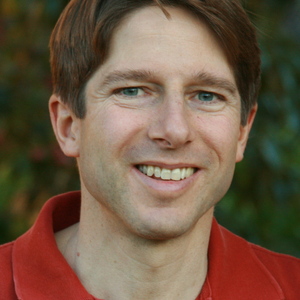
Jack Herrick is an American entrepreneur best known as the founder of wikiHow, the world’s largest how-to website. A Stanford and Dartmouth MBA alumnus, he began his career in management consulting (at McKinsey & Co.) before turning to startups.
Over the past two decades he has built a series of Internet ventures and become an active angel investor in over 100 early-stage companies (including multiple “unicorns” worth $1B+). Herrick has championed the idea of the “evergreen” company – a mission-driven, self-sustaining business – and has guided wikiHow through sustained growth and innovation without taking outside venture capital.
In addition to his CEO role at wikiHow, he has served in executive positions at prior startups and today remains deeply involved in strategic leadership and product direction at wikiHow.
Early Entrepreneurial Journey And Career Beginnings
After earning his MBA (Tuck School of Business, 1997) and a brief stint at McKinsey, Herrick co-founded his first venture, BigTray, in 1999. BigTray was an e-commerce supplier for restaurants, and the company raised about $6 million in venture funding.
Following the dot-com downturn, Herrick and his partners sold BigTray at a modest valuation, a formative experience in market cycles. In 2002 he co-founded Luminescent Technologies, a semiconductor design software firm.
As the startup’s CFO and co-leader, he helped raise roughly $25 million from venture investors and oversaw product development of tools used in chip manufacturing. By 2004 Herrick turned his attention back to consumer content and, with business partner Josh Hannah, acquired the struggling how-to site eHow (for about $100,000).
As co-owner of eHow, Herrick led a major turnaround: he optimized the site’s SEO and content strategy, growing its traffic from only a few thousand visitors a day to over 200,000 daily.
In 2006 the pair sold eHow to Demand Media (later known for a high-profile IPO). These early ventures – BigTray, Luminescent, and eHow – established Herrick’s track record of founding and scaling online businesses, often with small, focused teams.
Founding WikiHow And Building A Global Knowledge Platform
In January 2005, Herrick launched wikiHow. Inspired by Wikipedia’s open-source model, he spent about a year adapting wiki software into a collaborative how-to guide. wikiHow’s first articles went live on January 15, 2005 (the fourth anniversary of Wikipedia), initially as a side project within the eHow organization. Herrick and his co-founder Josh Hannah refined the site’s design and licensing – publishing all content under a Creative Commons license so it could be freely shared.
In its infancy, wikiHow had just four core staff (Herrick and Hannah as founders, one engineer, and one part-time community manager). Herrick personally welcomed early volunteer contributors, even sending personal notes to each new editor to encourage participation.
In the years that followed, Herrick built wikiHow into a global knowledge platform. He attracted a volunteer community to write and edit step-by-step guides on virtually every topic. By late 2009 wikiHow reached about 20 million monthly visitors with roughly six full-time employees – an achievement noted by TechCrunch as impressive for an unfunded startup.
Over the 2010s and into the 2020s, wikiHow’s growth continued. It expanded from covering English-language how-to topics to including nearly 375,000 articles in 17 languages, eventually serving on the order of 125–150 million people each month.
The platform’s scope spans everything from cooking and parenting tips to technology and science tutorials. Throughout this growth, Herrick remained in charge of the site’s vision and product strategy.
He oversaw key hires (including engineering and editorial leadership) and forged partnerships to extend the site’s reach. For example, wikiHow partnered with the One Laptop Per Child project and library programs in Africa to distribute offline copies of its articles, and it collaborated with Facebook’s Internet.org initiative to make wikiHow a default educational resource in many developing countries.
Jack Herrick’s Business Philosophy And “Evergreen Company” Model
A defining aspect of Herrick’s career is his mission-driven philosophy. He saw wikiHow as a “hybrid organization” combining a for-profit structure with a social mission.
From day one, Herrick decided not to take venture capital for wikiHow, wanting to preserve a long-term focus. He observed that “most venture-backed startups have a much shorter runway,” and that putting wikiHow on a VC-style growth schedule “would have been like giving it steroids… it would have made it look great for a while, but it would have been unhealthy for the business in the long term.”
Instead, he intentionally bootstrapped the company, reinvesting its advertising revenue to fund operations. He even introduced user-friendly advertising features – for example, giving registered users a button to turn off all ads for 24 hours – and told The Wall Street Journal that site revenue fell by less than 1% when offering an “opt-out” ad option, calling it simply a “good netizen thing to do.”
Herrick frequently emphasizes purpose over profit. He has said that “work is best when you are working on a purpose you’d happily work on for free,” reflecting his belief that intrinsic motivation drives quality.
At wikiHow, the team routinely asks: “Whenever we’re building anything, we’re asking ourselves, ‘How is this going to help people learn?’” In practice, this means prioritizing content quality, accuracy, and user trust.
Herrick insists on transparency: as he put it about wikiHow’s ads, “I wanted to be clear with people, this is how we’re going to pay for this thing… I didn’t want to trick anyone.”
That mindset extends to technology and ethics. He advocates for user rights, supporting principles like content portability.
Herrick notes that wikiHow’s volunteer authors can download all the software and content they helped create if they ever choose; this safeguard (enabled by open licensing) is, in his view, an important check on any web company’s power.
These practices reflect Herrick’s broader “evergreen company” model – building a reliable, enduring business that serves its community rather than chasing rapid scale at all costs.
Key Achievements, Growth, And Career Milestones
Herrick’s track record includes multiple successful exits and the sustained success of wikiHow. Some highlights include:
- eHow turnaround (2004–2006): After acquiring eHow, Herrick oversaw a dramatic recovery. Traffic grew from a few thousand to hundreds of thousands daily, and in 2006 eHow was sold to Demand Media. That deal ultimately helped fund Demand Media’s later $1B+ IPO. Herrick’s experience raising capital and scaling eHow proved invaluable for his later work.
- wikiHow reach: Under Herrick’s leadership, wikiHow grew steadily in traffic and scope. By 2009 the site reached 20 million monthly visitors with a team of six people and no outside funding.
By 2016, traffic had climbed to roughly 100 million monthly visitors, and wikiHow overtook eHow to become the world’s most-visited how-to website.
As of the mid-2020s, wikiHow publishes hundreds of thousands of how-to guides in nearly 20 languages, with global monthly readership on the order of 150 million.
The site is ranked among the top 150 sites worldwide by traffic and is considered an essential free service in dozens of countries.
- Revenue and sustainability: Although wikiHow is privately held and does not publicly report finances, Herrick has noted that the site has been profitable through advertising.
A Forbes profile cited around $5 million in annual revenue for wikiHow in 2018, supporting Herrick’s claim of a small team running a high-traffic site. Notably, wikiHow’s business model combines automated ad revenue with occasional sponsored content, all transparently disclosed to users.
Herrick’s insistence on not taking VC means the company has maintained independence: it still operates with the same long-term mission Herrick set at its founding.
- Awards and recognition: Herrick and wikiHow have received recognition for their unique approach. For example, Forbes included wikiHow on its “Small Giants” list of best small companies, praising its commitment to quality and culture.
Tech industry media often cite wikiHow as a case study in profitable bootstrapping. Herrick himself has been profiled in outlets like Wired, The Atlantic, and Dartmouth’s business magazine (Tuck Today) as a leader in sustainable entrepreneurship.
Dartmouth’s Tuck School honored him as an “Entrepreneur of the Year” alumnus for his work building wikiHow. Throughout these milestones, Herrick also built his reputation as an adviser and investor. He mentors other entrepreneurs, sharing the lessons from his startups.
In interviews and public speaking, he advises founders to be honest with investors, play the long game, and ensure that any funding partners share the company’s vision.
His emphasis on founder quality is widely noted – he looks for persistence and a learning mindset in entrepreneurs. His successful investments in software and internet startups have made him a respected figure in the Silicon Valley startup community.
Impact On Online Education And Digital Content Industry
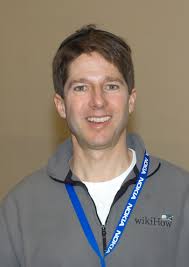
Herrick’s work has significantly influenced how practical knowledge is shared online. By creating wikiHow, he opened a massive repository of free instructional content, effectively providing a form of open education to millions. He has said that his mission – and the site’s mission – is “to give every person on the planet a free practical education.”
Indeed, wikiHow articles are often used as learning resources by people around the world. As Herrick himself remarked, “If you’re under 25, you learned a lot of stuff on wikiHow,” highlighting how the site has become a default learning tool for younger generations.
wikiHow’s model – combining crowd-sourced content with expert oversight – set a standard in digital publishing. The site implemented fact-checking policies (especially on medical or legal topics) and high editorial standards uncommon in user-generated content platforms.
Herrick’s insistence on Creative Commons licensing means educators and developers can freely reuse wikiHow content for educational apps or offline libraries.
Its partnership with programs like One Laptop Per Child exemplifies wikiHow’s role in bridging digital divides: in some regions, people access wikiHow lessons from downloaded copies on low-bandwidth devices.
In the broader content industry, Herrick’s approach has shown that a publishing company can thrive without chasing hypergrowth. wikiHow competes with much larger firms in the internet knowledge space yet maintains profitability and editorial integrity.
His hybrid model has inspired other entrepreneurs to consider mission-driven for-profit ventures. Moreover, the visibility of wikiHow’s illustrations and practical guides has made the brand a widely recognized reference point.
By proving that a quality-driven, collaborative online encyclopedia of how-to information could be built and sustained, Herrick has had a lasting impact on online education and the democratization of knowledge.
Current Work, Leadership, And Business Activities
From 2021 through 2026, Herrick continues to steer wikiHow’s strategic direction while maintaining its founding principles. Although leadership titles have shifted, Herrick remains an active founder and thought leader.
He is often involved in high-level decisions and serves as a public representative of wikiHow in interviews and conferences. He leads a small senior team that operates the global platform with a distributed workforce model.
In recent years Herrick has guided wikiHow through technological changes. Under his oversight, the company has expanded its mobile and multimedia offerings. For instance, wikiHow developed audio guides for thousands of articles to integrate with voice assistants. The platform continues to optimize content for mobile users, reflecting changing consumption patterns.
Herrick has also addressed the rise of AI-driven search, noting that search engines increasingly summarize content directly, which requires wikiHow to deliver deeper, more comprehensive guidance.
Beyond wikiHow, Herrick remains active in the entrepreneurship ecosystem as an investor and mentor. He participates in programs supporting founders and continues to advocate for sustainable, mission-driven business models. His ongoing work reflects a consistent focus on long-term value creation, practical education, and responsible digital publishing.
Jack Herrick Net Worth
As of 2026, Jack Herrick’s net worth has not been publicly disclosed, and no official figure has been confirmed by major financial authorities. His primary income comes from wikiHow, the how-to platform he founded, which generates revenue through online advertising (including Google AdSense) and strategic partnerships. In addition, he is an active angel investor, although specific details about his investment earnings remain private.
FAQs
Who Is Jack Herrick?
Jack Herrick is an American entrepreneur best known as the founder of wikiHow, a widely used how-to website. He has also worked in consulting and founded multiple startups before building wikiHow.
What Is Jack Herrick Known For?
He is primarily known for creating wikiHow, a global platform that provides step-by-step guides on a wide range of topics. The site is recognized for its collaborative, community-driven content model.
What Is Jack Herrick’s Educational Background?
Jack Herrick earned a Bachelor’s degree in History from Stanford University. He later completed an MBA at Dartmouth College’s Tuck School of Business.
How Does Jack Herrick Make Money?
His income mainly comes from wikiHow, which generates revenue through online advertising and partnerships. He also earns from angel investments in early-stage companies.
What Companies Has Jack Herrick Founded?
He has founded or co-founded several ventures, including wikiHow, BigTray, and Luminescent Technologies. He also played a key role in growing and selling eHow.
Latest Articles
Popular Articles