Dennis Troesh Net Worth 2026: Business & Investments
Dennis Troesh Net Worth insights including his $2B company sale, Switch stake, and current investment strategy across real estate and tech.
Apr 25, 20267.8K Shares108.5K Views
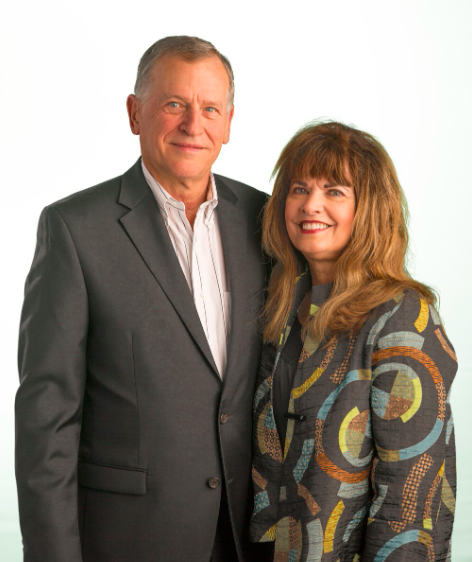
Dennis Troesh launched his professional journey in the ready-mix concrete business. He founded Robertson’s Ready Mix in Southern California and over time built the company into a regional powerhouse. Under his leadership, the firm expanded to dozens of concrete plant locations across the region. Troesh has reflected on this period by saying that the concrete industry was where “I started my career and built my initial business,” highlighting that ready-mixed concrete was the foundation of his early success.
| Fact | Details |
| Net Worth | ~$2.2B (2026, estimated) |
| Wealth Source | Concrete business, data centers |
| Major Sale | Robertson’s sold for ~$2B (2012) |
| Career Start | Ready-mix concrete industry |
| Key Investment | Switch Inc. shareholder |
| Investment Firm | Eastern Capital Group (family office) |
| Assets | U.S. real estate portfolio |
| Philanthropy | $100M donation (Loma Linda) |
| Industry Role | Supports concrete research funding |
| Profile | Private, low-public presence |
Building Robertson’s Ready Mix And Business Success
As Robertson’s grew, Troesh focused on broadening its market reach and operations. By the 2000s the company had become a major supplier of ready-mix concrete and construction aggregates throughout Southern California and into neighboring Nevada.
Industry reports from the late 2000s indicate that Robertson’s was running roughly 1,800 employees and generating annual revenues on the order of $800 million. Under Troesh’s stewardship, Robertson’s earned a reputation as one of the largest ready-mix producers in the western United States, serving a booming construction market in the Inland Empire and beyond.
The Sale Of Robertson’s Ready Mix And Financial Breakthrough
The defining transaction in Troesh’s cement career came in 2012, when he sold his stake in Robertson’s to Mitsubishi Materials Corp. This deal valued the concrete business at roughly $2 billion, reflecting the enormous growth achieved under his leadership. Proceeds from this sale transformed Troesh’s wealth and freed him to pursue new ventures.
Even after exiting the cement business, Troesh’s success was rooted in the concrete company he built; news reports at the time emphasized that the sale price underscored the value of Robertson’s nationwide sales and market position.
Transition Into Investment And Wealth Expansion
Following the Robertson’s sale, Troesh shifted into managing his wealth through private investment entities. He established family-controlled firms and trusts ultimately organized under Nevada’s Eastern Capital Group and related entities to hold his assets. Through these vehicles, Troesh diversified far beyond construction. He reinvested capital into a wide range of ventures, including commercial real estate and emerging technology companies.
These moves marked his transition from a hands-on business executive to a private investor overseeing a broad asset portfolio. In this phase Troesh expanded his holdings using a family office structure, channeling his resources into new growth industries while maintaining the ability to scale up or modify investments as opportunities arose.
Role Of Data Center Investments In His Career Growth
A key pillar of Troesh’s post-concrete fortune has been his early investment in the data center industry. In particular, he became a significant shareholder in Switch Inc., a leading data center developer based in Nevada. When Switch went public in 2017, Troesh owned roughly 15% of the company. The IPO success dramatically increased his net worth: analysts estimated that his Switch stake alone became worth on the order of $600 million, and financial trackers placed his total net worth around $2.2 billion after the IPO.
This leap made Troesh a newly recognized billionaire, despite his decades of wealth building in private. Company filings even identified him as the second-largest shareholder in Switch, underscoring how central this tech investment was to his wealth. In sum, Troesh’s move into the data center sector provided the fuel for his billionaire status, complementing the fortune he amassed in cement.
Major Career Milestones And Business Achievements
Beyond the Robertson’s sale and Switch stake, Troesh’s career is marked by several notable achievements. He solidified his status as a savvy dealmaker by assembling a significant commercial property portfolio. Public reports indicate his holdings have included a $284 million office skyscraper in Charlotte, North Carolina; a high-end hotel in the Washington, D.C. area; and a Las Vegas retail property formerly a Macy’s department store.
These high-value real estate investments highlight his success as an entrepreneur who could translate construction profits into diverse asset classes. In the technology arena, Troesh’s role as a data center investor stands out: being named a top Switch stakeholder was recognized in industry media as a milestone for an otherwise low-profile businessman. Collectively, these accomplishments building a leading concrete company, completing a multibillion-dollar exit, and becoming a top data center investor define the high points of his business career.
Philanthropy And Influence Beyond Business
Troesh’s influence extends into philanthropy, particularly in healthcare and industry causes. He and his wife Carol are major benefactors of Loma Linda University Health in California. In 2014 they pledged $100 million to fund a new children’s hospital and medical center expansion, the largest single gift ever given to the region’s healthcare system. This gift was so significant that the new hospital campus was named the Dennis and Carol Troesh Medical Campus in their honor.
In addition to healthcare, Troesh gives back to the concrete industry itself. Through the Troesh Family Foundation, of which he is president, the family has supported industry research and education. For example, in 2016 the Foundation committed up to $3 million to the Ready Mixed Concrete Research & Education Foundation to match industry donations for cutting-edge research.
Troesh explained this pledge by noting his desire “to give back to an industry where I started my career and built my initial business.” These activities demonstrate how he leverages his resources and influence beyond corporate operations, reinforcing professional networks and institutions connected to his career.
Current Investments, Business Activities, And Professional Focus
In the 2020s Troesh has continued to manage his vast holdings quietly through his family office structures. He remains based in Nevada, where Eastern Capital Group LLC serves as the primary vehicle for his investments. Troesh is listed as the sole managing member of Eastern Capital, giving him full voting control over its assets, and he also continues as president of the Troesh Family Foundation.
Public filings from 2021 show that Troesh and his related entities own about 27.6 million Class A shares of Switch, indicating that his position in Switch remains central. Beyond Switch, his companies still hold a large commercial real estate portfolio under the Quarry Capital banner. Overall, Troesh’s current professional focus is on managing and growing these investments: overseeing technology and real estate assets through private enterprises while guiding his foundation’s philanthropic activities.
This combination of roles defines his career stance from 2021 through 2026 as that of a seasoned entrepreneur turned investment steward, living off past successes while cultivating new opportunities.
Dennis Troesh Net Worth
As of 2026, Dennis Troesh’s net worth is estimated at $2.2 billion, although this figure has not been officially verified by major financial authorities. His wealth primarily stems from the cement and data center industries. In 2012, he sold his ready-mix concrete company, Robertson’s Ready Mix, to Mitsubishi Materials in a deal valued at approximately $2.0 billion. He also retains an estimated 15% stake in Switch Inc., a U.S.-based data center operator. Specific earnings from these ventures have not been publicly disclosed.
FAQs
1. Who Is Dennis Troesh’s Spouse?
Dennis Troesh is married to Carol Troesh. The couple has been long-time residents of Southern California and is known for their joint philanthropic contributions.
2. Where Does Dennis Troesh Currently Live?
Dennis Troesh is based in Nevada, where his primary investment entity, Eastern Capital Group, is registered. He previously lived for many years in Riverside, California.
3. Is Dennis Troesh Involved In Philanthropy?
Yes, Dennis Troesh is actively involved in philanthropy through the Troesh Family Foundation. He and his wife have made major contributions to healthcare and industry-related research initiatives.
4. What Industries Has Dennis Troesh Invested In?
Beyond construction, Troesh has invested in technology and commercial real estate. His portfolio includes data centers, office properties, and retail assets.
5. Does Dennis Troesh Hold A Public Leadership Role Today?
No, Dennis Troesh does not hold a prominent public executive role. He primarily operates as a private investor managing his assets through family-controlled entities.
Latest Articles
Popular Articles