Dave Wakeling Net Worth 2026: Touring, Royalties & Music
Dave Wakeling Net Worth in 2026 highlights his earnings from live performances, albums, and decades of influence in ska and new wave music.
Mar 16, 20267.4K Shares125.6K Views
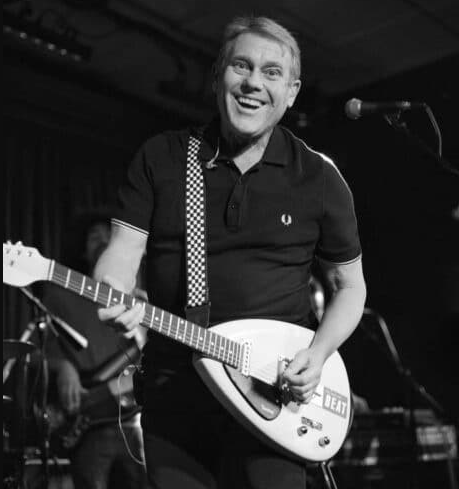
David “Dave” Wakeling was born on 19 February 1956 in Birmingham, England. He grew up in Birmingham (including the Balsall Heath area), where he attended local schools.
Wakeling has noted that even school concerts featured local rock acts – the Birmingham band The Locomotive once played at one of his school shows. As a teenager in early-1970s Birmingham, Wakeling saw up-and-coming local bands such as Black Sabbath and Led Zeppelin live.
He also recalls hearing reggae music emerging in the city: he remembered hearing Trojan reggae albums being played on street corners and in “living rooms in Balsall Heath in Birmingham,” which he cites as his introduction to reggae.
Wakeling’s family has roots in the English Midlands. In interviews he has said his aunt reported that the Wakeling family originally came from Nottingham before moving to Birmingham after Nottingham’s lace industry collapsed.
His father supported his musical interests from a young age: Wakeling later recalled that “my dad gave me a guitar when I was 12,” buying an acoustic guitar from a musician’s sale in Birmingham. He began teaching himself to play (even tuning the instrument upside-down) and started writing his own songs as a teenager. During this time he met fellow guitarist Andy Cox at college, after which the two practiced guitar together at school.
Wakeling also idolized musicians from an early age. He has said his favorite member of the Rolling Stones was guitarist Brian Jones, and he would mimic Jones at home playing air-guitar in front of a mirror with a cricket bat or tennis racket as a stand-in guitar and wearing a blond wig. These early experiences in Birmingham from school concerts and local rock shows to reggae records at home shaped Wakeling’s childhood musical environment.
| Key Fact | Verified Information |
| Dave Wakeling Net Worth | Not publicly verified as of 2026 |
| Full Name | David “Dave” Wakeling |
| Date of Birth | February 19, 1956 |
| Birthplace | Birmingham, England |
| Profession | Singer, songwriter, guitarist |
| Famous Bands | The Beat (English Beat), General Public |
| Breakthrough Album | I Just Can’t Stop It (1980) |
| Popular Songs | “Mirror in the Bathroom,” “Save It for Later,” “Tenderness” |
| Music Genres | Ska, Two Tone, new wave, reggae |
| Years Active | Late 1970s–present |
Dave Wakeling: Career
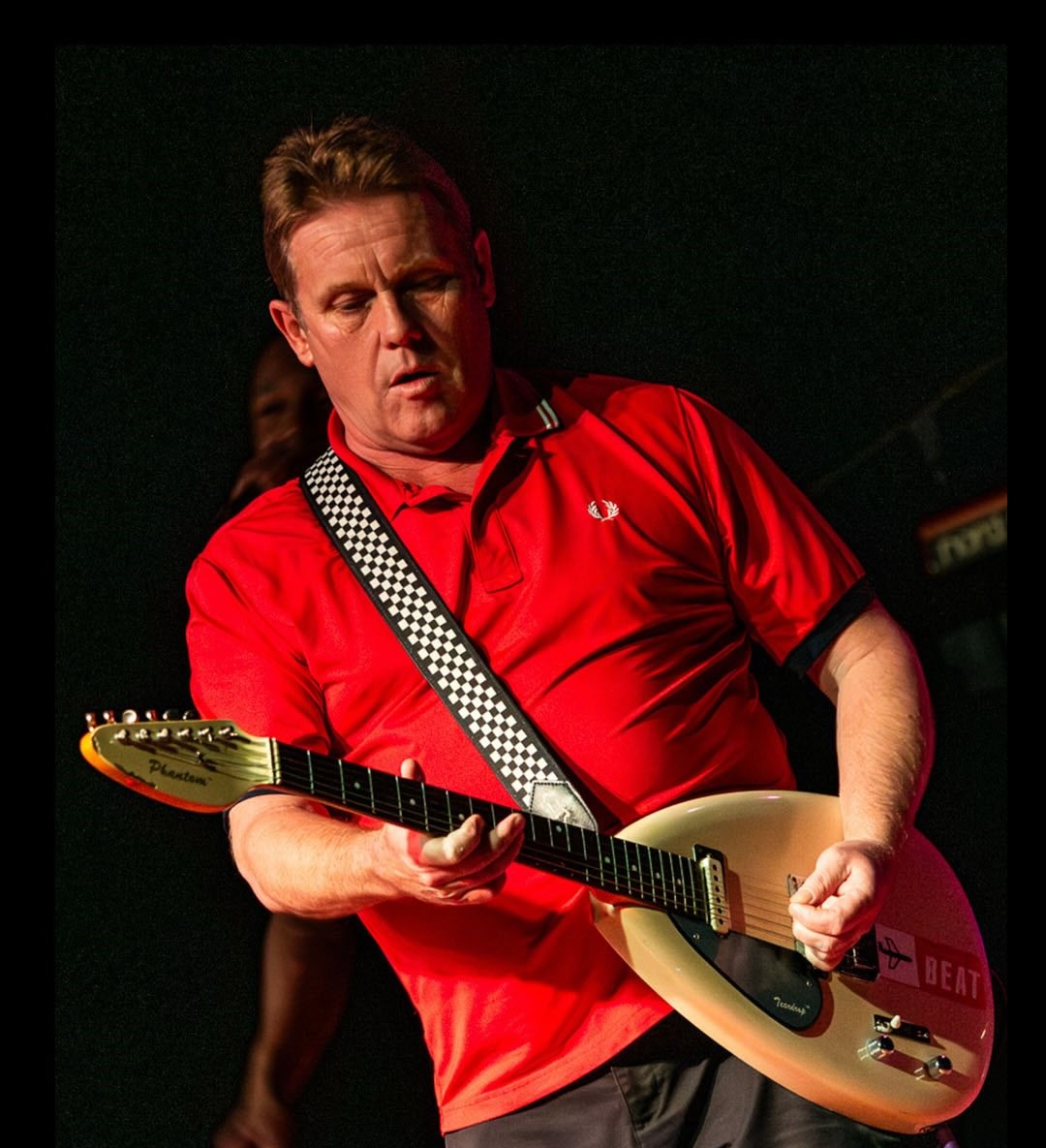
Dave Wakeling (born 1956) is an English singer, songwriter and musician best known as the frontman for the British ska/new wave band The Beat (known in North America as The English Beat) and as co-founder of the band General Public.
He formed The Beat in Birmingham in 1978 and led the group through its most successful period during the early 1980s ska revival. After The Beat split in 1983, Wakeling and fellow vocalist Ranking Roger formed General Public, taking his songwriting and singing into a broader new-wave/pop direction.
Throughout the following decades, Wakeling revived his original band’s legacy by touring worldwide under the name The English Beat and releasing new material. His career spans more than four decades of recording and live performance, and he has remained an influential figure in ska and punk-influenced music.
Rise To Fame With The Beat
Wakeling burst onto the music scene as co-founder of The Beat in 1978, a six-piece group that quickly became one of the leading acts of Britain’s Two Tone ska movement. The Beat’s debut single was a cover of Smokey Robinson’s “Tears of a Clown” (1979), but their first original album I Just Can’t Stop It(1980) made a major impact. That album produced several UK Top 10 hits – for example, “Mirror in the Bathroom,” “Hands Off…She’s Mine” and “Can’t Get Used to Losing You” – and the band earned a reputation for its upbeat, danceable mix of ska, reggae, soul and punk.
Wakeling’s energetic stage presence and charismatic vocals were central to the band’s appeal. The Beat toured extensively across the UK, Europe and North America, often opening for major artists (notably David Bowie invited them to support his 1983 tour, calling The Beat the best support band he’d ever had). By the end of 1983 the original lineup was exhausted from nonstop touring, and The Beat disbanded, with Wakeling ready to pursue new projects.
Dave Wakeling’s Role In The Beat And His Musical Style
As co-lead singer, guitarist and principal songwriter of The Beat, Wakeling shaped the group’s sound and message. He skillfully blended genres – incorporating Jamaican ska and reggae rhythms with pop, punk and soul elements.
Wakeling often wrote songs that addressed social issues and political themes, yet set them to catchy, dance-ready arrangements. For example, the hit “Mirror in the Bathroom” features a driving, offbeat rhythm with witty lyrics about self-awareness, while tracks like “Stand Down Margaret” directly critiqued the Thatcher government.
Throughout The Beat’s three albums, Wakeling’s creative vision kept the band evolving; he treated ska as “a springboard, not a straight jacket,” moving the music into pop and rock territories without abandoning its roots.
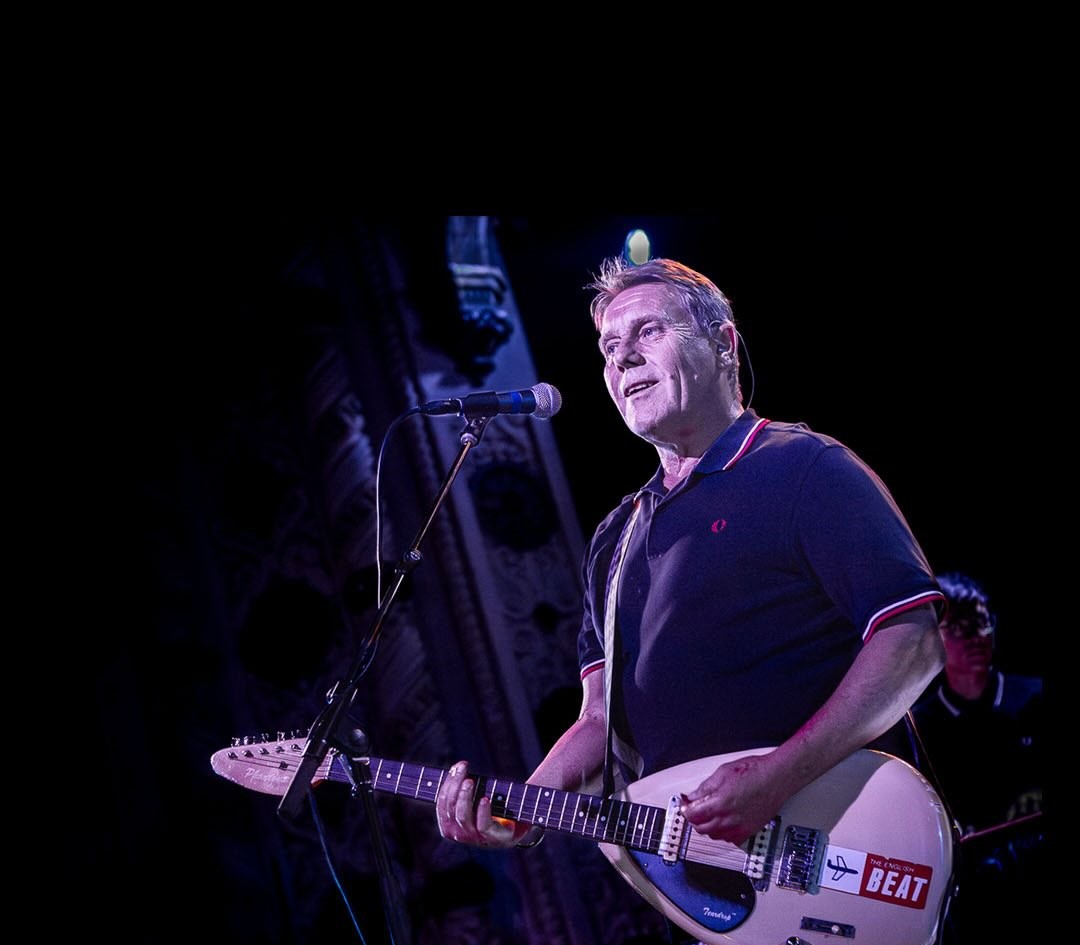
Onstage Wakeling was known for his showmanship and for playing a distinctive left-handed Vox Teardrop guitar – a nod to influences like Rolling Stones guitarist Brian Jones. In short, Wakeling served as the heart of The Beat, providing its vocal identity and steering its stylistic evolution.
General Public Era And Career Expansion
After The Beat split, Wakeling teamed up again with Ranking Roger in 1983 to form General Public. This new band took the energetic ska roots of The Beat and wrapped them in glossy 1980s pop production.
General Public’s debut album All the Rage(1984) brought Wakeling’s songwriting to an even wider audience. It featured the hit single “Tenderness,” an infectiously melodic song that became a Top 40 single internationally and later gained extra fame by appearing in several John Hughes movie soundtracks.
Notably, the recording of All the Rageincluded guest contributions from Mick Jones of The Clash on several tracks, underscoring the band’s high-profile status. General Public released a follow-up album Hand to Mouthin 1986 and briefly reunited for a third album (Rub It Better) in the mid-1990s.
During this period Wakeling also worked on other projects (for example, recording a song for the 1988 movie She’s Having a Baby). Over the course of the 1980s, Wakeling’s career thus expanded beyond the Two Tone scene: he reached American pop audiences and demonstrated versatility by moving fluidly between ska, new wave and pop styles.
General Public remained active until about 1987; geography eventually split the partnership (Wakeling moved to California while Roger stayed in England), but the band’s work – especially “Tenderness” – marked a significant chapter in Wakeling’s musical resume.
Major Songs, Albums, And Career Highlights
Wakeling’s discography includes several landmark recordings across his bands. Key albums and songs from his career include:
- The Beat – I Just Can’t Stop It(1980):Debut album launching the band’s career. Songs include “Mirror in the Bathroom” (a UK Top 5 hit), “Hands Off...She’s Mine,” and “Can’t Get Used to Losing You,” all danceable hits that defined Two Tone ska.
- The Beat – Wha’ppen?(1981):Follow-up album with tracks like “Drowning” and “Ranking Full Stop,” continuing the band’s chart presence in Britain.
- The Beat – Special Beat Service(1982):Third album featuring “Save It for Later” and “Doors of Your Heart.” “Save It for Later” in particular has endured as a signature Wakeling song, later covered by other artists.
- General Public – All the Rage(1984):Debut GP album including “Tenderness” (later used in films Sixteen Candlesand Weird Science). “Tenderness” became an international hit, reaching the U.S. charts and expanding Wakeling’s profile overseas.
- General Public – Hand to Mouth(1986):Second album spawning singles like “Too Much or Nothing.” This era solidified Wakeling’s presence in the mid-80s new-wave scene.
- No Warning (1991):Wakeling’s only solo studio album, showing his songwriting under his own name (featured adult contemporary pop-rock).
- The English Beat – Here We Go Love(2018):Wakeling’s first Beat/English Beat album in 36 years. Funded by fans, it delivered new material consistent with the band’s classic blend of punk energy and ska rhythms. It was hailed as a “brand-new collection” of vital songs building on the band’s legacy.
Other career highlights include contributing to soundtracks (e.g., singing the title track for the John Hughes film She’s Having a Baby, and covering the Staple Singers’ “I’ll Take You There” for a 1994 movie).
Wakeling and his bands charted multiple times in both the UK and US, and singles like “Mirror in the Bathroom” and “Tenderness” remain widely remembered. Over his career he has amassed a catalog of energetic, dance-oriented songs that continue to draw crowds decades later.
Awards, Achievements, And Career Milestones
Wakeling’s career includes several noteworthy accomplishments. Many songs he wrote became chart hits: for example, The Beat tallied several Top 10 singles in the UK (with “Mirror in the Bathroom” peaking at #4) and General Public landed a Top 40 hit in the U.S. with “Tenderness.”
He achieved thousands of live performances – by 2018 his various Beat lineups had played on the order of 1,000 shows, mostly in North America – marking a prolific touring legacy.
In 2006 Wakeling donated his signature left-handed 1960s Vox Mark III Teardrop guitar (used on many Beat recordings) to the Rock and Roll Hall of Fame in Cleveland, symbolizing his contribution to rock history.
His work also crossed into film and television: “Tenderness” appeared in popular movies, and Wakeling himself sang on the soundtrack of She’s Having a Baby(1988) and contributed to various compilation albums.
In recent years, classic Beat albums have been reissued (for example on vinyl) and tracks have enjoyed continued airplay. This enduring radio presence and the steady demand for live shows are milestones that underscore his long-term success.
Dave Wakeling’s Career Legacy In Ska And New Wave Music
Wakeling’s influence extends well beyond his own recordings. As a leading voice of the Two Tone ska revival, he helped bring Jamaican-influenced music into mainstream UK and global audiences.
Music historians regard The Beat as one of the most influential bands of that movement. Wakeling’s songs often carried socially conscious lyrics – he has remarked that many of them “were meant to be warnings… and now it’s happened,” highlighting their continued relevance in later decades.
The Beat’s innovative fusion of ska, punk and pop paved the way for countless later bands. Indeed, third-wave ska and alternative acts in the 1990s (from The Mighty Mighty Bosstones to No Doubt) have cited inspiration from the upbeat, ska-inflected sound Wakeling championed.
His classic songs remain beloved: he himself noted that fans of all ages can still sing along to Beat tunes decades later. Over time, the cult status of his work has only grown many contemporary artists have covered Beat tracks (for instance Pearl Jam and Eddie Vedder covered “Save It for Later” in live performances) – confirming that Wakeling’s songwriting has joined the ranks of enduring rock material.
His ongoing touring keeps The Beat’s legacy alive, helping introduce new listeners to the genre. In sum, Dave Wakeling’s career is seen as a cornerstone of British ska and new wave; his fusion of styles and energetic performance style left a lasting imprint on modern pop and rock music.
Current Work, Tours, And Recent Activities
Since 2021 Wakeling has remained an active performer and caretaker of his catalog. As COVID-19 restrictions eased, he and The English Beat quickly resumed touring worldwide.
For example, in 2022 the band launched a U.S. concert series (dubbed the “Wine & Grind” winter tour) and played multiple summer festivals. In 2024, Wakeling’s English Beat even shared stages with indie-rock act Vampire Weekend during parts of a U.S. tour.
An Atlanta Journal-Constitution profile from late 2025 noted Wakeling bringing his English Beat lineup to shows in the U.S., and he remarked on hearing dozens of Beat and General Public songs on radio years later. Despite decades in music, he remains surprised by the strong fan turnout: “People still come and still remember the words,” he said in 2025, noting that even older fans “can still move [their knees] in time to our tunes.”
While touring, Wakeling has quietly worked on new material. He revealed in 2024 that he has nearly a dozen unreleased songs written, though he was taking time before recording them.
No new studio album had emerged by 2026, but he continues to test new songs live and engage audiences with both classic hits and material from the 2018 Here We Go Lovealbum. He has also experimented with his band identity: for example, in 2026 he planned to perform under the General Public name for a U.S. nostalgia tour, signaling that he still celebrates all phases of his career.
Dave Wakeling Net Worth
As of 2026, Dave Wakeling’s net worth has not been publicly disclosed, and no verified figure has been confirmed by major financial authorities. His income primarily comes from his ongoing music career, including album releases such as The Beat’s Here We Go Love(2018) as well as live tours and performances with The English Beat. He also earns royalties from his songwriting and recorded music, although the exact amounts from these sources have not been publicly reported.
FAQs
Who Is Dave Wakeling?
Dave Wakeling is an English singer, songwriter, and guitarist best known as the frontman of the ska and new wave band The Beat, known in North America as The English Beat. He later co-founded the band General Public. His work helped shape the British Two Tone ska movement of the late 1970s and early 1980s.
What Bands Is Dave Wakeling Known For?
Dave Wakeling is primarily known for The Beat (The English Beat) and General Public. He co-founded The Beat in 1978 and later formed General Public with Ranking Roger in 1983 after the original band split.
What Are Dave Wakeling’s Most Famous Songs?
Some of Dave Wakeling’s most recognized songs include “Mirror in the Bathroom,” “Save It for Later,” and “Hands Off…She’s Mine” with The Beat. With General Public, his best-known hit is “Tenderness,” which gained additional popularity through film soundtracks.
When Was Dave Wakeling Born?
Dave Wakeling was born on February 19, 1956. He grew up in Birmingham, England, where he was exposed to the local music scene during the rise of rock and reggae influences.
What Genre Of Music Does Dave Wakeling Perform?
Dave Wakeling’s music blends ska, Two Tone, new wave, punk, and reggae influences. His work with The Beat helped popularize the fusion of Jamaican ska rhythms with British punk and pop.
Latest Articles
Popular Articles