What Was Charlie Chaplin’s Net Worth When He Died?
Charlie Chaplin Net Worth remains unverified. See confirmed facts, income sources, and how his film royalties shaped his financial legacy.
Apr 23, 202613.4K Shares179.8K Views
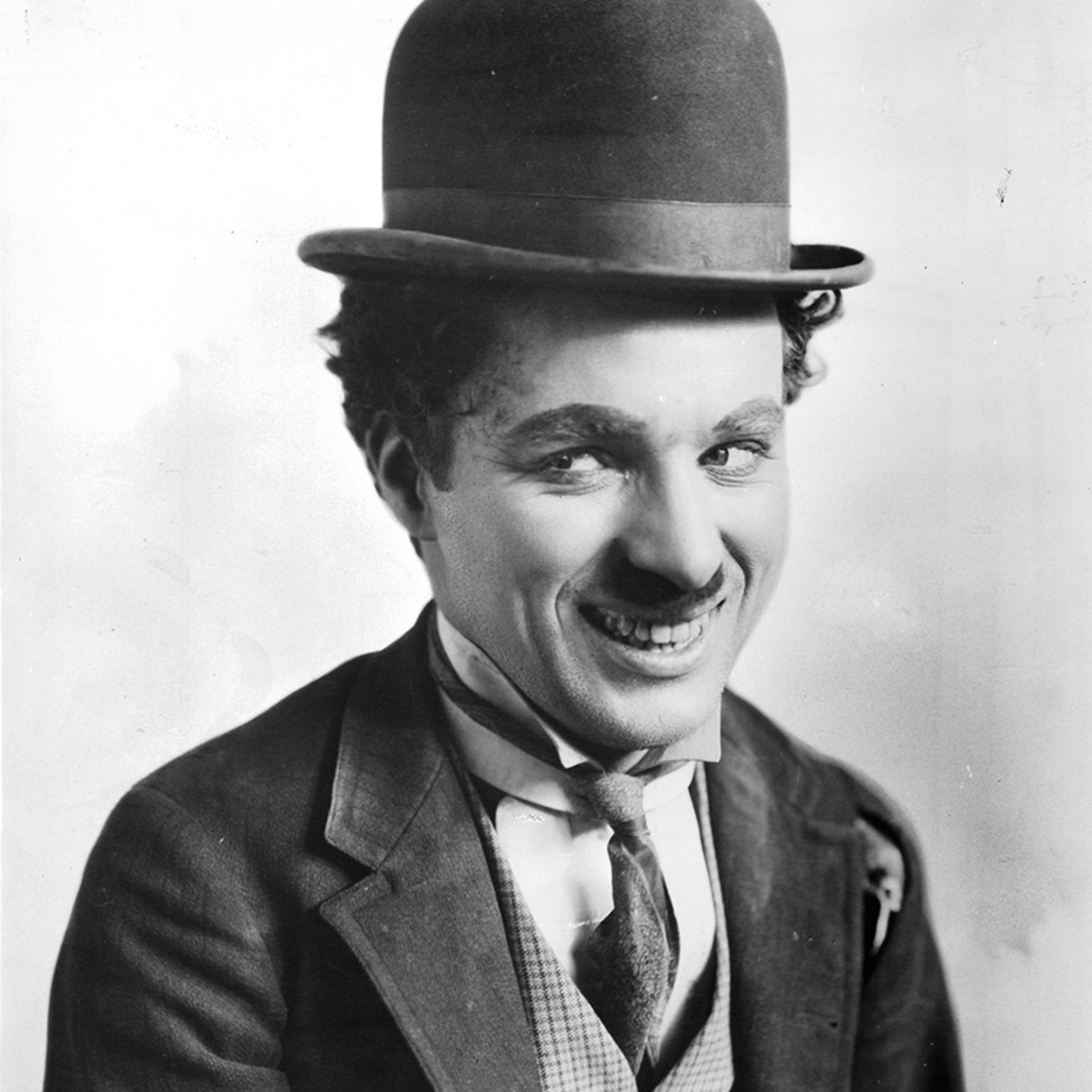
Charles Spencer Chaplin Jr. was born on 16 April 1889 in London, England. He was the son of Charles Chaplin Sr. and Hannah Chaplin (stage name Lily Harley), both music-hall entertainers. The family was poor and struggled financially. Chaplin had an older half-brother, Sydney Chaplin, and he spent his earliest years largely in the care of his mother’s family after his father provided no support.
Chaplin’s early childhood was marked by hardship. Contemporary accounts note that his introduction to life “was one of destitution and hardship,” as the premature death of his father and his mother’s mental illness led to him and his brother being sent to London workhouses and charity schools from about age seven. The boys lived intermittently in institutions for paupers and received only the sparse education offered there. Chaplin later described these years in care as a “forlorn existence.”
He was introduced to the stage at a very young age due to his mother’s career. Around age five, he filled in for his ailing mother during a theatre performance. This early exposure reflected the family’s theatrical background and was one of his formative experiences. Formal schooling played almost no role in his childhood; he learned mainly through life in the workhouses and occasional charity school lessons while he and his brother looked after themselves.
| Fact Category | Verified Information |
| Net Worth at Death | Not publicly disclosed |
| Primary Income Sources | Films, directing, royalties |
| Royalties & Rights | Managed by Roy Export |
| Licensing & Image Rights | Managed by Bubbles Inc. |
| Birth Information | Born April 16, 1889, London |
| Early Life Conditions | Poverty, workhouses, limited schooling |
| Career Breakthrough | “Little Tramp” (1914) |
| Major Film Achievements | The Kid, Gold Rush, Modern Times |
| Industry Influence | Co-founded United Artists |
| Multi-Talent Role | Actor, director, composer |
| Awards & Recognition | Oscars, knighted (1975) |
Early Career Moves In Stage And Silent Film
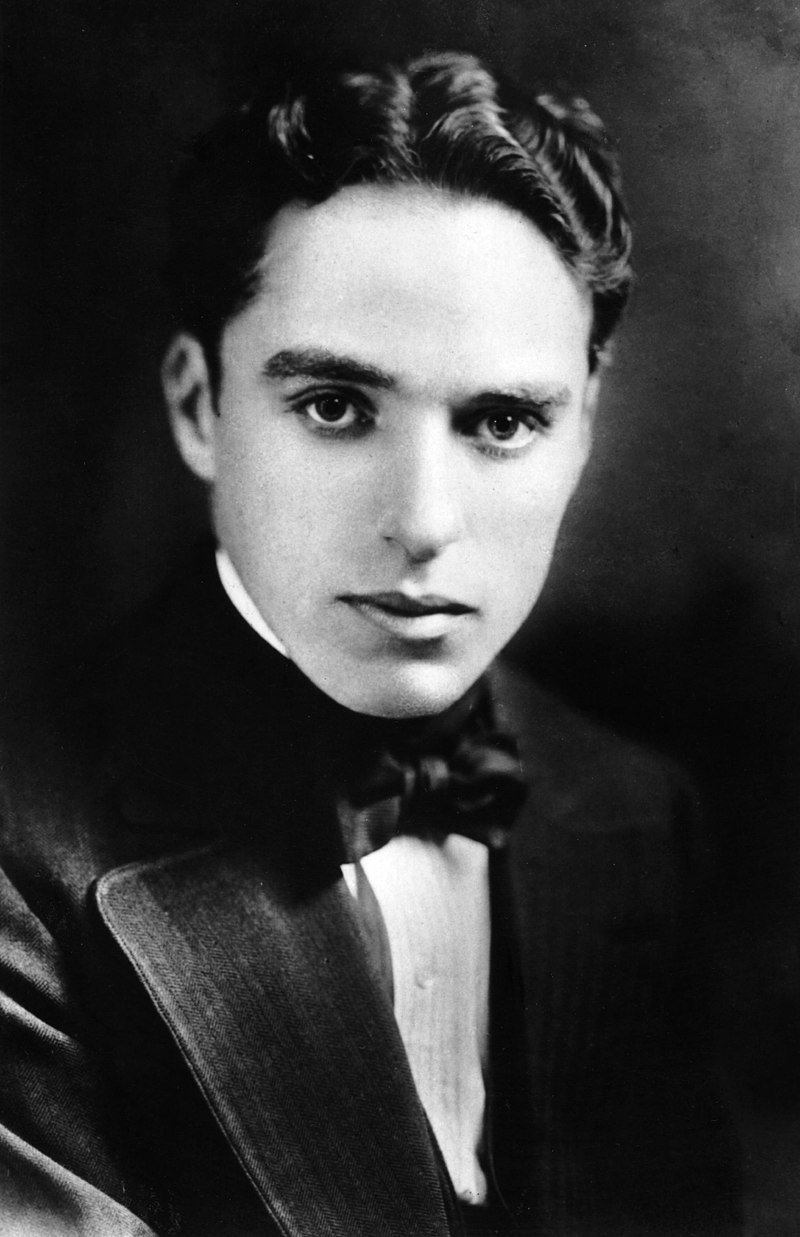
Chaplin’s professional career began on the stage in late-Victorian England. As a child he performed in music halls and small theatre companies, debuting with a British juvenile dance troupe and later playing juvenile roles in theatre productions. By 1908–1910 he had joined Fred Karno’s comedy company, touring the British music-hall circuit and then visiting the United States in 1910. His success on stage in both England and the US led to a contract offer from film producer Mack Sennett, paving his move into motion pictures in late 1913.
Entry Into The Film Industry And First Roles
In November 1913 Chaplin joined Sennett’s Keystone Film Company in California, effectively launching his film career. His debut on film came in early 1914, and he earned $150 per week at Keystone, where he made a rapid transition from stage performer to screen comedian. Chaplin starred in numerous short slapstick comedies at Keystone, including his first released film “Making a Living” (1914).
His inventive style and on-screen charisma quickly stood out, leading other studios to court him by 1915. That year he left Keystone for the Essanay studio, gaining a lucrative contract. Chaplin continued producing his signature character-driven comedies in these early years and was soon in demand by major producers.
The Creation Of The “Tramp” Character And Breakthrough Success
During his time at Keystone in 1914, Chaplin invented the “Little Tramp” persona – a bowler-hatted, mustachioed wanderer who became his signature character. This iconic figure first appeared on screen in the released film Kid Auto Races at Venice(1914). Chaplin himself described the Tramp as “many-sided…a tramp, a gentleman, a poet, a dreamer, a lonely fellow, always hopeful of romance and adventure”.
The Tramp’s mixture of comic folly and heartfelt pathos struck a chord with audiences, and Chaplin’s portrayal brought an almost instantaneous breakthrough. By the mid-1910s his Tramp shorts – later including titles like Easy Street(1917) and The Immigrant(1917) – made him an international star of silent comedy.
Rise To Global Fame In The Silent Film Era
Chaplin’s fame grew rapidly as he took on larger projects and more creative control. When his 1917 contract with Mutual Film expired, he became an independent producer and built his own Hollywood studio. In early 1918 he signed with First National, releasing successful features such as A Dog’s Lifeand the wartime comedy Shoulder Arms(both 1918), which massively boosted his popularity.
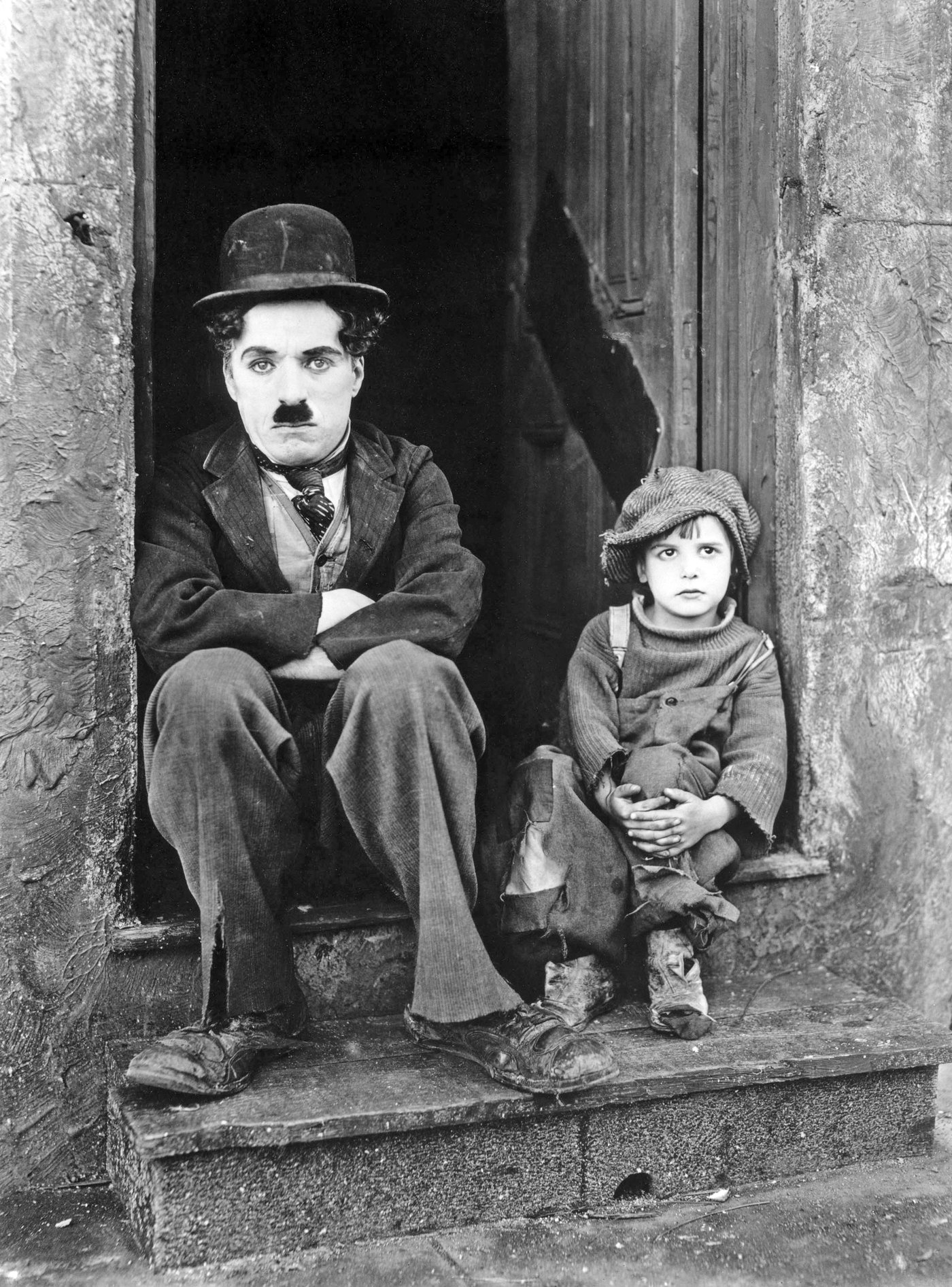
In April 1919 Chaplin co-founded the United Artists Corporation with Mary Pickford, Douglas Fairbanks, and D.W. Griffith, ensuring that he would produce and distribute his own films. Under United Artists, he released a series of acclaimed feature films: among the first was The Kid(1921), a six-reel drama-comedy starring child actor Jackie Coogan.
Subsequent releases through the 1920s – including The Idle Class(1921), The Gold Rush(1925), and The Circus(1928) – cemented Chaplin’s global status. Audiences around the world hailed him as the era’s biggest movie star, and by the late 1920s he was directing his own productions and managing all aspects of his work.
Chaplin’s Work As Actor, Director, And Composer
Throughout his career, Chaplin was deeply involved in every phase of filmmaking. He acted in and directed all of his comedies, overseeing screenwriting, production, and editing for each project. Chaplin’s hands-on approach meant he often worked as the sole star, authoring and staging each scene to fit his comic vision.
In later years he added musical composition to his résumé; most notably, he composed and even conducted the entire score for City Lights(1931), a silent feature he completed despite the advent of sound films. His films were marketed and distributed by the companies he created or partnered with (including United Artists). This multi-role creative authority made Chaplin one of cinema’s first true auteurs, with a reputation for perfectionism in performance, timing, and music.
Major Films And Career Milestones
Chaplin’s filmography includes numerous landmark titles. The Kid(1921) was his first full-length comedy-drama and proved a commercial and critical success. The Gold Rush(1925) became one of his most celebrated works, demonstrating his gift for combining slapstick with poignant storytelling.
In 1928 he completed The Circus, which earned him his first Academy Award at the inaugural Oscars ceremony in 1929. In the 1930s Chaplin produced his most famous collaborations: City Lights(1931), Modern Times(1936), and The Great Dictator(1940). Modern Timeswas particularly notable as a grand silent-style comedy about industrialization, and The Great Dictatorwas his first true talking picture – a daring political satire on Adolf Hitler.
In the 1940s and early 1950s he continued to produce major films (Monsieur Verdouxin 1947 and Limelightin 1952) under his own production. Even after leaving the United States, Chaplin directed two more feature films in Europe: A King in New York(1957) and A Countess from Hong Kong(1967). Each of these films added to his list of professional achievements, from box-office hits to industry awards that recognized his enduring impact on cinema.
Transition From Silent Films To Sound Cinema
Chaplin initially resisted the shift to sound. Despite the talkie revolution after 1929, he continued to produce silent films well into the 1930s. For City Lights(1931) he famously ignored synchronized dialogue, releasing it as a silent comedy with only a musical soundtrack; he even composed and conducted that score himself. Likewise Modern Times(1936) featured only occasional sound effects and a gibberish song, allowing the Tramp to remain essentially a silent figure against the modern world.
By 1940 Chaplin had embraced sound fully: he wrote, directed, and starred in The Great Dictator, his first all-talking picture. This shift marked a new era in his work as he incorporated spoken dialogue and more overt themes, while still maintaining the comedic style that made him famous. His carefully managed transition demonstrated his belief that good storytelling and physical comedy could transcend changing technology.
Career Legacy And Lasting Influence On The Film Industry
Over a nearly 50-year career, Chaplin earned an enduring legacy as a pioneering creative force. He is widely regarded as one of the film industry’s most important figures, having shaped the art of screen comedy and silent cinema. His Tramp character remains one of the most iconic screen personas ever created.
Chaplin’s hands-on approach to filmmaking set a precedent for creative control by actors and directors; he co-founded United Artists to empower artists to manage their own production and distribution. His films have been celebrated for their innovation and humanity, influencing generations of filmmakers and comedians. In recognition of his contributions, Chaplin received numerous honors, including multiple Academy Awards and a knighthood (KBE) awarded in 1975. Today his movies – from The Gold Rushto Modern Times– are preserved as classics, and his example as writer-director-actor-composer continues to inspire the film industry worldwide.
Charlie Chaplin Net Worth
At the time of his death, Charles Chaplin’s net worth was not publicly disclosed, and no figure has been officially verified by major financial authorities. His income included royalties from the copyrights to his films (held by Roy Export S.A.S.) and licensing fees from the use of his name, likeness, and the “Little Tramp” character (managed by Bubbles Inc. S.A.). The exact earnings from these sources have not been publicly revealed.
FAQs
1. Why Is Charlie Chaplin Considered Important In Film History?
Charlie Chaplin is regarded as a pioneer of silent cinema who shaped visual comedy through expressive acting and storytelling. His work influenced generations of filmmakers and established standards for character-driven comedy.
2. What Made The “Little Tramp” Character Unique?
The “Little Tramp” combined humor with emotional depth, portraying a hopeful yet struggling outsider. This blend of comedy and pathos helped audiences connect with the character across different cultures.
3. Did Charlie Chaplin Work Only As An Actor?
No, Chaplin was also a director, writer, producer, and composer. He maintained creative control over most of his films, which was uncommon during his time.
4. How Did Chaplin Contribute To The Film Industry Beyond Acting?
He co-founded United Artists in 1919 to give filmmakers more control over production and distribution. This move helped shift power toward artists in the film industry.
5. Did Charlie Chaplin Receive Any Major Honors During His Lifetime?
Yes, Chaplin received multiple Academy Awards and was knighted by the British government in 1975. These honors recognized his lasting contribution to cinema.
Latest Articles
Popular Articles