Bruce Zoldan Net Worth: What Drives His Wealth
Bruce Zoldan Net Worth remains private in 2026, but his wealth is tied to Phantom Fireworks, retail stores, sports, and racing stakes.
Sep 07, 20262.1K Shares53.3K Views
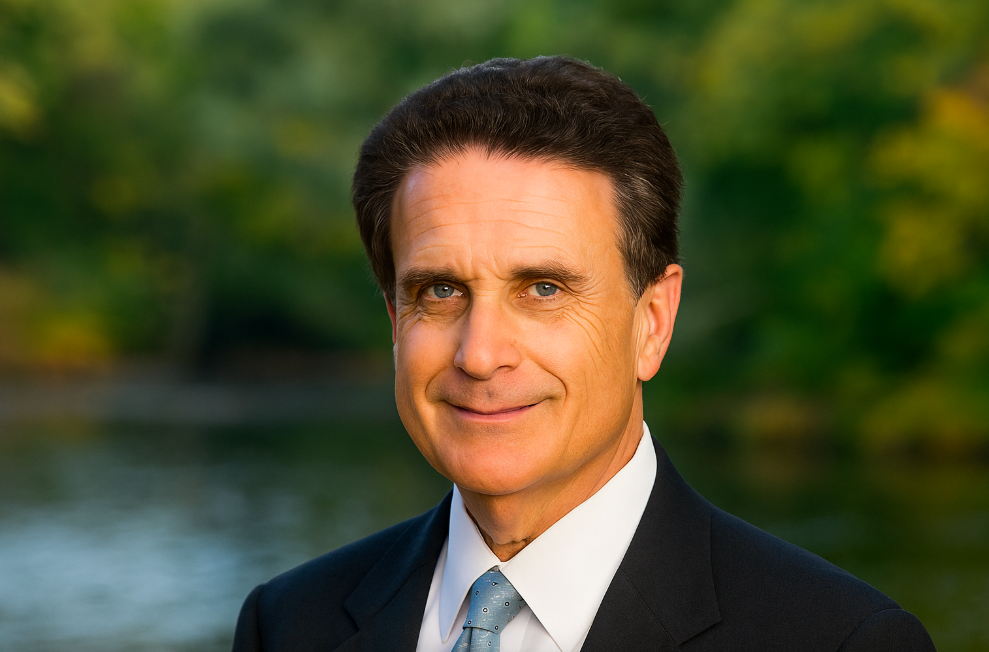
Bruce J. Zoldan founded Phantom Fireworks and remains its chief executive and majority owner. Official company filings identify him as President (Owner) of B.J. Alan Company, Inc. (dba Phantom Fireworks), confirming his control of the privately held company.
Phantom Fireworks is not publicly traded, and its valuation has not been disclosed. A private equity investor report described Phantom as the “second largest importer and wholesaler” of fireworks and the “largest operator of permanent retail fireworks showrooms” in the U.S., with 52 year-round stores as of the late 2000s.
Recent reporting places the business at roughly 100 store locations. Zoldan’s equity stake and ownership status tie his compensation to Phantom’s long-term performance, although the exact financial terms are not public.
| Topic | Verified Fact |
| Net Worth (2026) | Not publicly disclosed. |
| Primary Income Source | Phantom Fireworks business. |
| Company Founded | Founded B.J. Alan Company. |
| Business Model | Retail and wholesale fireworks sales. |
| Industry Position | Leading U.S. fireworks retailer. |
| Early Entrepreneurial Start | Sold fireworks as a teenager. |
| Leadership Role | CEO, President, and Chairman. |
| Expansion Strategy | Nationwide showroom expansion. |
| Regulatory Expertise | Operates within state laws. |
| Additional Business Interest | Co-owner of hockey team. |
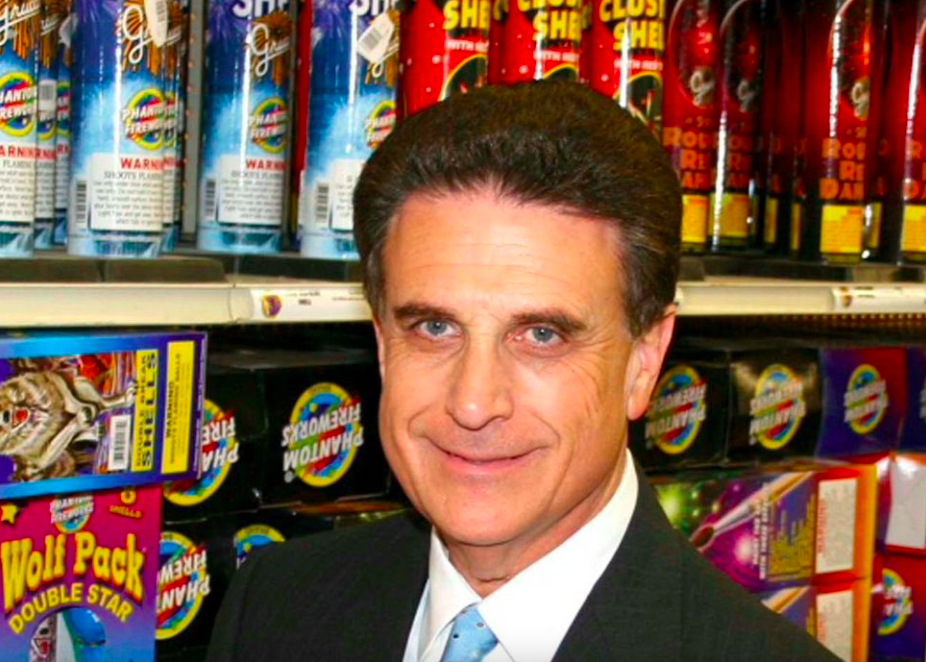
Permanent Showroom Footprint As A Retail Asset Base
Under Zoldan’s leadership, Phantom Fireworks has built a broad network of year-round retail showrooms across multiple states. Phantom advertises “over 80 showrooms in 15 states open all year round,” while more recent reporting places the count at about 100 permanent stores nationwide.
A 2009 investor overview listed 52 stores at the time. These large, standalone fireworks outlets form a stable asset base, attract roughly 350,000 customers per year, and generate revenue outside peak seasons.
Zoldan also developed exclusive product offerings for these locations. Phantom markets its own private-label fireworks brands, including “Silver Salute” and “Wolfpack,” and sells the historic Grucci fireworks collection under license. Proprietary product lines help Phantom command higher margins and strengthen the value of its permanent retail footprint.
Seasonal Sales Locations And Holiday Cash-flow Concentration
Most of Phantom’s sales occur within a narrow seasonal window each year. Zoldan’s company operates roughly 1,500 to 2,000 temporary fireworks stands nationwide for major holidays.
These tents are staffed and stocked only for short periods, primarily around the Fourth of July in summer and the winter holidays, and remain central to the business model. Zoldan reports that the Fourth of July accounts for about 85% of Phantom’s annual revenue, with another 10% coming around New Year’s Eve.
He has said candidly that “we lose money six months out of the year, we break even three months… and we make a profit three months of the year, primarily in a very short window.” To manage the summer rush, Phantom hires roughly 2,700 seasonal workers, in addition to about 400 year-round staff.
Zoldan closely monitors this peak period. He told a national reporter that Phantom tracks daily sales data across its stores and tents, and that year-over-year volume was up roughly 10 to 15% during one Fourth of July period.
He also said Phantom’s average retail transaction price was near $400 at that time, reflecting strong customer demand and helping offset the seasonal nature of the company’s cash flow.
Fireworks Inventory Sourcing Costs And Retail Margin Exposure
Zoldan built Phantom as both an importer and retailer of fireworks, directly connecting supply and sales. Early in his career, he developed relationships with Chinese manufacturers, and Phantom now reportedly receives roughly 1,000 to 2,000 shipping containers of fireworks per year into its warehouse.
The company uses a sophisticated procurement process. Buyers regularly visit Chinese factories to co-develop products and enforce strict quality standards. This global supply chain helps keep costs low, but it also leaves Phantom’s costs highly sensitive to trade policy.
Virtually 99% of all consumer fireworks used in the U.S. are manufactured in China, so sudden tariffs or shipping disruptions can pressure margins. Phantom has managed these risks by emphasizing higher-end products and careful pricing.
Zoldan said Phantom’s average sale had climbed to about $400 by mid-2025. The company’s product lineup ranges from basic assortments at around $99 to deluxe $1,500 celebration kits and includes exclusive branded assortments.
By selling premium private-label fireworks, including its Silver Salute line and the licensed Grucci collection, Phantom can protect healthy retail margins even when raw material costs fluctuate.
Consumer Fireworks Permits As A Regulatory Market Moat
Zoldan has actively navigated and shaped fireworks regulations to support his business. He served in leadership roles at the American Pyrotechnics Association (APA), including terms as president and director emeritus, championed stricter safety standards, helped ban dangerous items such as M-80s, and co-founded the APA’s testing laboratory.
Those efforts expanded the legal market. Only a dozen states allowed consumer fireworks when he started; now 49 states permit some fireworks use. Phantom strategically places its stores and seasonal stands only in markets where permits exist.
With Massachusetts banning all fireworks, Boston-area customers routinely drive to Phantom’s New Hampshire, Maine, or Pennsylvania outlets. Zoldan himself credits Phantom’s growth to this strategy.
He has said the company’s success came from “expanding little by little, and lobbying in many states to get the states to allow [fireworks],” a gradual process that placed Phantom in markets ahead of competitors.
The complex patchwork of local permits and safety rules has become a protective moat around Phantom’s business. Zoldan’s compliance expertise and industry ties have made it difficult for new rivals to gain a foothold in the regulated fireworks market.
Bruce Zoldan Net Worth
Bruce Zoldan’s net worth remains private in 2026, with no officially verified public figure available. His income comes from his ownership and leadership of Phantom Fireworks, a U.S. consumer fireworks retail company where he is founder and CEO, as well as from his stakes in sports and racing ventures. He co-owns the Youngstown Phantoms hockey team and is a partner in the Team Valor thoroughbred racing stable.
FAQs
Who Is Bruce Zoldan?
Bruce J. Zoldan is an American businessman best known as the founder and chief executive of Phantom Fireworks. The company operates under B.J. Alan Company/Phantom Fireworks and is based in Ohio.
What Is B.J. Alan Company?
B.J. Alan Company is the business entity associated with Phantom Fireworks, the consumer fireworks company led by Bruce Zoldan. Youngstown Phantoms’ ownership profile identifies him as President, CEO, and Board Chairman of B.J. Alan Company/Phantom Fireworks.
Where Is Phantom Fireworks Headquartered?
Phantom Fireworks is based in Ohio, with reporting identifying the company as headquartered in the Youngstown area. The brand has grown from a regional business into a national consumer fireworks retailer.
Is Bruce Zoldan Connected To Hockey?
Yes. Bruce Zoldan is listed as a co-owner of the Youngstown Phantoms, a Tier I United States Hockey League franchise that plays at the Covelli Centre in downtown Youngstown.
Has Bruce Zoldan Been Involved In Horse Racing?
Yes. Bruce Zoldan has been connected to Team Valor International, including ownership-group involvement with Kentucky Derby horses. Reports identify him as a partner in Team Valor, the group behind 2011 Kentucky Derby winner Animal Kingdom.
Has Bruce Zoldan Held Fireworks Industry Roles?
Yes. Phantom Fireworks’ company history says Bruce J. Zoldan served as president of the American Pyrotechnics Association in 1996 and 2000. It also says he served on the APA Board of Directors for 12 years.
Latest Articles
Popular Articles